
Our research
The Centre for Lifestyle Intervention conducts clinical research on changes in lifestyle. The goal is to develop personalised methods for lifestyle changes that can be maintained throughout life.
Lifestyle-related ill-health is increasing. Sedentary habits, unhealthy diet and tobacco use are some of the reasons that more and more people risk developing cardiovascular diseases, cancer and type-2 diabetes. The questions are how to design personalised interventions that actually work and how to implement these in the health and medical care system so that we are better able to prevent lifestyle-related diseases. These are the questions our research strives to answers.
Focus on secondary prevention
The health of the population should be both good and equitable. This means that everyone should have the same opportunities for good health. Achieving this requires good prevention to avoid the occurrence of disease. Prevention consists of two aspects. Primary prevention is to prevent disease from occurring. This is a joint responsibility shared by many in society, including primary care. Secondary prevention implies early discovery and treatment of ill-health. The health and medical care system has full responsibility for this aspect. The research at the Centre for Lifestyle Intervention focuses on secondary prevention.
A piece of the puzzle that has been missing
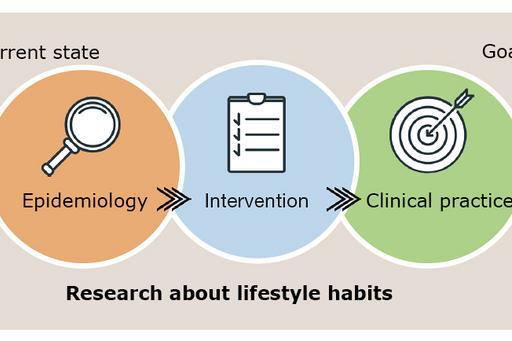
The University of Gothenburg and Sahlgrenska University Hospital conduct advanced epidemiology research (studies at the group and population levels) related to both diseases and the importance of lifestyle. We excel in such research as studies of diabetes and cardiovascular diseases, we develop new treatments and we provide highly specialised care nationwide. We have a solid understanding of the consequences of unhealthy lifestyles and how we can best treat different diseases. However, we need to better understand how to enable and sustain lifestyle changes throughout life. Once we’ve established the best approaches, this knowledge needs to be implemented in the health and medical care system, as illustrated in the figure below.
Facts about lifestyles
Most cardiovascular disease and a third of all cancers can be prevented with healthier lifestyles.
Individuals who do not smoke, who eat healthy food, who are moderately active and who moderate their alcohol consumption live on average 14 years longer than those with unhealthy lifestyles.
Ongoing research projects
LI-PAD
In the spring of 2023, the LI-PAD study was launched to identify what effect individualized support over six months has on body weight by changing dietary habits and physical activity in middle-aged individuals with overweight or obesity. The intervention's effect on several modifiable risk factors for cardiovascular health and health-related quality of life will also be identified.
Read more about LI-PAD in this news article.

Ongoing research collaborations
Collaborate with us!
The Centre for Lifestyle Intervention (CLI) is a collaborative centre between Sahlgrenska University Hospital and the University of Gothenburg that was established in 2022. We currently collaborate with numerous research projects.
Are you a researcher and would like to collaborate with us? You are warmly welcome to contact Mats Börjesson, professor and centre director.