
Michael Schöll Group
Short description
Michael Schöll is a Professor in molecular medicine with focus on neuroimaging and a member of the Young Academy of Sweden.
About Michael Schöll group
Neurodegenerative diseases are notoriously difficult to diagnose early and there is still no cure available for dementia disorders such as Alzheimer’s disease (AD). Biomarkers derived from imaging modalities such as positron emission tomography (PET) and magnetic resonance imaging (MRI), as well as biomarkers based on the analysis of cerebrospinal fluid (CSF) or blood, have become immensely important especially for the early identification of individuals who are likely to develop a neurodegenerative disorder, since an established notion is that potentially successful treatments should be deployed as early as possible in the disease process.
This early identification of neuropathological processes using adequate biomarkers currently not only supports reliable clinical diagnoses but also serves the recruitment of suitable candidates for clinical treatment trials, and renders possible the application of these biomarkers as outcome measures in treatment trials.
In particular the recent development of methods to map the accumulation of conformationally faulty forms of proteins and the subsequent synaptic impairment in vivo using PET has profoundly changed the way these processes can be identified at an early, presymptomatic disease stage. The Schöll group is using the most recent developments in molecular imaging by means of PET in combination with other neuroimaging- and fluid-based biomarkers, as well as neuropsychological profiling to develop holistic, validated, and usable tools for such an early identification.
Collaborations
The establishment of the Schöll group was strongly coupled with the recent inauguration of the Imaging- and Intervention Center (Bild- och Interventionscentrum – BoIC) at the Sahlgrenska University Hospital, which for the first time offers resources for research involving molecular imaging modalities in West Sweden.
The group has furthermore established extensive national collaborations with researchers and clinicians at the University of Gothenburg / The Sahlgrenska University Hospital, and with researchers at Lund University, the Karolinska Institute, and Umeå University. Internationally, the group collaborates actively, amongst others, with researchers at the University of California, Berkeley, University College London, Stanford University, and McGill University

Contact Information
Michael Schöll
michael.scholl@neuro.gu.se
Department of Psychiatry and Neurochemistry
Sahlgrenska University Hospital
Blå stråket 15, 3rd floor
Gothenburg, Sweden
Visiting Addresses:
Sahlgrenska University Hospital
Memory Clinic
Wallinsgatan 6
431 41 Mölndal

REAL AD

The REAL AD study is a longitudinal study that aims to advance early diagnosis of Alzheimer's disease with a simple blood test and lay the logistical groundwork for widespread use of AD biomarkers in primary care. The study seeks participants aged 50 to 80 in Västra Götaland, encouraging individuals to sign up or share the opportunity.
To begin, the participants complete mandatory health questionnaires and optimal dementia-related questionnaires digitally via the HOPE study platform. Second, they undertake cognitive assessments using the "neotivTrials" app or Cognitron website. Finally, participants make an appointment for a blood test at one of VGR Närhälsan's 106 health centres, which will be analysed with an exhaustive panel of markers in Blennow's lab at the University of Gothenburg. All participants will be invited back 18 months later for another round of remote testing and blood biomarker measurement, followed by cognitive testing alone at 27 and 36 months. To validate the blood tests, select participants will also undergo CSF or PET testing.
We are live!! The study was launched on April 22, 2024. Help us turn this study into a meaningful contribution to science and healthcare, spread the news and make sure to visit our website www.realad.se for regular updates.
News from the group
AAIC 2026
This year’s AAIC (Alzheimer’s Association International Conference) was held in London between 12-15 July. Researchers from around the world were gathering to share the latest advances in Alzheimer’s research, and we were proud to have several members from the group presenting their work.
Key themes from this year’s AAIC
Blood tests remain a major focus, and particularly p-tau217, which is a marker of amyloid, one of the main proteins of Alzheimer’s disease. Amyloid can start building up years before symptoms appear, and may therefore help predict future brain changes, linked to what we study in REAL AD. Other major themes included how to responsibly share biomarker results with study participants, the importance of including more diverse groups in dementia research, and how modifiable lifestyle factors like physical activity, hearing, and blood pressure can help reduce dementia risk.
Presentations from our group:
Stamatia Karagianni presented on how well a blood test measuring two Alzheimer's-related proteins (p-tau217 and Aβ42) can detect brain changes. It performed well in more advanced disease but less well at detecting early-stage changes, meaning blood tests can't yet fully replace brain imaging or tissue analysis.
Laura Stankeviciute presented on how common modifiable risk factors are among REAL AD participants, and how they relate to blood markers and digital cognitive tests.
Frida Lenér presented on whether lifetime medication use is linked to early Alzheimer's blood markers.
Fredrik Öhman presented on combining remote digital cognitive tests with blood tests to detect elevated Alzheimer's risk before symptoms appear.
Emma Gummesson presented two posters: one comparing three Alzheimer's blood markers measured with two different lab methods, and another using specialised brain scanning to explore whether exercise and learning produce visible changes in brain connectivity in people with early memory problems.
We are proud of our team’s contribution to AAIC 2026!

REAL AD Study Enters Its Second Phase – the 18-Month Follow-Up
The REAL AD study has now entered its second phase – the 18-month follow-up. After a very successful first phase, in which thousands of dedicated participants enrolled and completed all steps, we are pleased to welcome everyone back for the next stage of the study.
Participants who joined the study at launch on 22 April 2024 have now received invitations to take part in Phase 2, which follows the same procedures as Phase 1. For all other participants, the follow-up will begin exactly 18 months after your individual study start date. As a result, not everyone will begin Phase 2 at the same time. We will contact you by SMS and/or email when it is time for your follow-up to begin.
We want to extend our sincere gratitude to all participants for your engagement and continued contribution to the study. Thanks to you, we are able to follow changes over time, which forms a crucial foundation for our research.

AD/PD 2026
This year's AD/PD 2026 conference was held in Copenhagen, bringing together researchers, clinicians, and industry experts in Alzheimer’s and Parkinson’s disease research. The REAL AD team participated with several presentations and posters throughout the meeting.
Professor Michael Schöll presented findings from the REAL AD study on the relationship between digital cognition and plasma biomarkers in preclinical Alzheimer’s disease, and also participated as an invited speaker in a forum on precision drug development, AI methods, and clinical trial design.
Dr. Laura Stankeviciute presented results on modifiable lifestyle risk factors in relation to plasma biomarkers and digital cognition in REAL AD, and was also awarded a prestigious Junior Faculty Award from the AD/PD conference.
Iris Bosch, project manager of REAL AD, presented a poster exploring collaborations and partner experiences in the remote preclinical Alzheimer’s screening study. PhD student Stamatia Karagianni presented research on progression to Tau-PET positivity and cognitive decline in preclinical Alzheimer’s disease, highlighting the breadth of ongoing projects within the REAL AD team.


REAL AD Day
On April 24, we celebrated the two-year anniversary of the REAL AD study, continuing the tradition from last year by recognising the participants who make the study possible. During the afternoon, we shared updates on the progress of the study and highlighted recent advances in Alzheimer’s disease research.
The program featured presentations from the study leadership and members of the research team, including physicians and neuropsychologists. Key topics included blood-based biomarkers in Alzheimer’s research and the use of digital cognitive testing, presented by Dr. Joel Simrén and Dr. Fredrik Öhman. Study leader Professor Michael Schöll also presented preliminary findings from the REAL AD screening study and outlined the next steps for the ongoing validation sub-study.
Representatives from organisations including Närhälsan and the Alzheimer Foundation also joined the discussion, helping place the ongoing research into a broader healthcare and societal context. Participants also received an update on newly developed Alzheimer’s treatments, including Leqembi, and the current status of regulatory approvals in different countries.

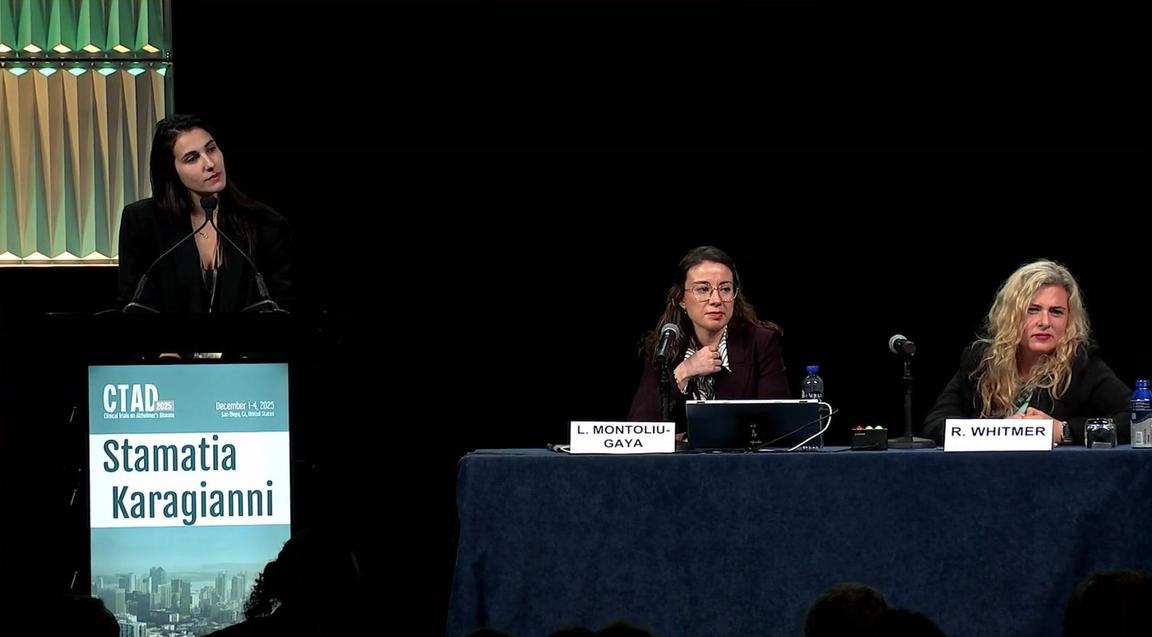
Stamatia's Presentation at CTAD 2025
Stamatia Karagianni presented at CTAD 2025 in San Diego her work evaluating an FDA-approved plasma p-tau217/Aβ42 ratio for the detection of Alzheimer’s disease. The project aimed to evaluate the biomarker’s performance against autopsy-confirmed neuropathology and in vivo amyloid and tau PET imaging, in order to determine at which stage of the Alzheimer’s disease continuum the assay achieves optimal diagnostic accuracy.
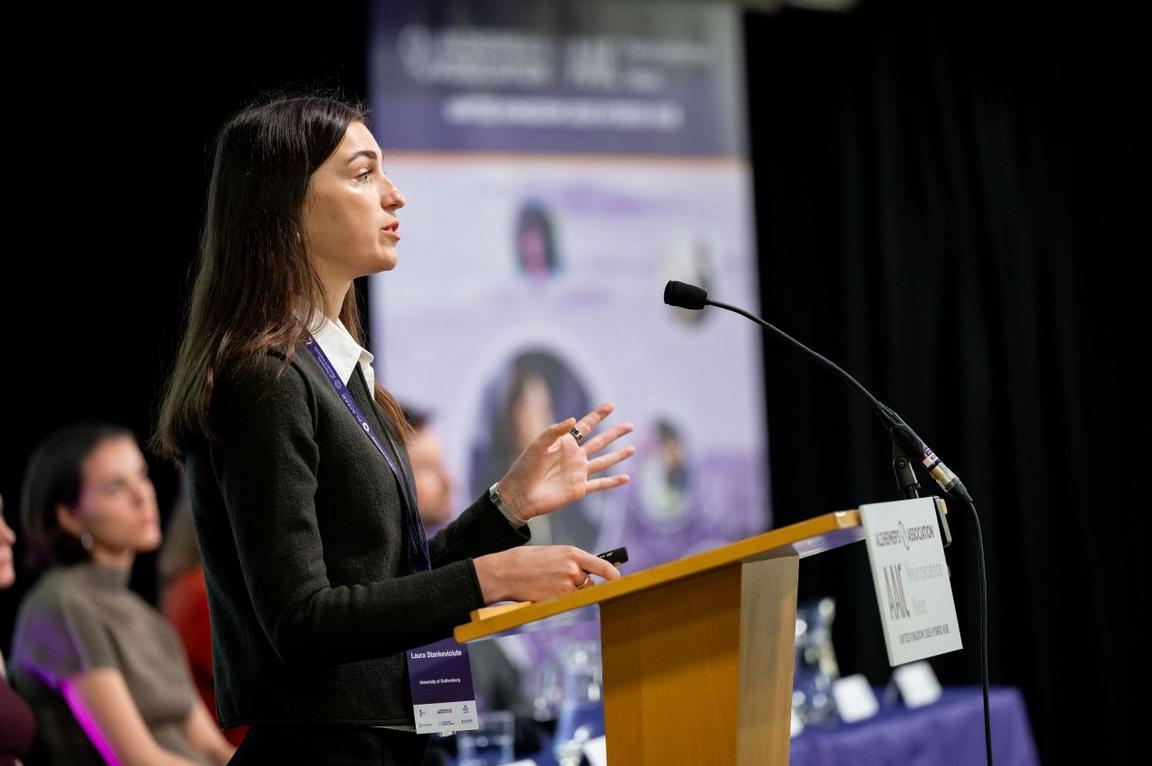
Laura's presentation at AAIC Neuroscience Next
In her lightning talk at AAIC Neuroscience Next in Manchester, Laura Stankeviciute presented her work on associations between plasma biomarkers and digital cognition in preclinical Alzheimer’s disease in the REAL-AD population.
Link to watch the talk online: https://www.youtube.com/watch?v=j6G9lEYlgTM
Specific type of plaque in Alzheimer's disease linked to symptoms
With dedicated work from our team, a novel AI-driven method to map the chemical makeup of amyloid plaques in the brain has been developed, shedding new light on Alzheimer’s disease.
Amyloid-beta plaques are known markers of Alzheimer’s, but they also appear in people without cognitive symptoms, making it challenging to determine their exact role in the disease. The recent study "Chemical imaging delineates Aβ plaque polymorphism across the Alzheimer’s disease spectrum" published in Nature Communications identifies a specific plaque type, called coarse-grained plaques, that only occur in individuals with symptomatic Alzheimer’s.
Using a combination of advanced microscopy, imaging mass spectrometry, and artificial intelligence, it was discovered that these plaques contain elevated levels of certain amyloid-beta variants linked to nerve cell damage and cognitive decline. This breakthrough could help improve diagnosis accuracy and guide the development of targeted therapies.
Lead author Professor Jörg Hanrieder highlights that this method may explain why some people with amyloid plaques remain symptom-free, while others develop dementia.
The AI-powered approach holds promise for transforming clinical pathology and advancing Alzheimer’s research.
For more information see http://www.gu.se/nyheter/sarskild-typ-av-plack-vid-alzheimer-kopplas-till-symtom
Sharper Alzheimer’s Diagnosis with Brain Imaging in Routine Care
Great effort from our group has shown that tau-PET brain imaging greatly improves Alzheimer’s diagnosis. This method detects tau protein buildup, a key sign of the disease, even before symptoms appear.
The study "Frequency and Clinical Outcomes Associated With Tau Positron Emission Tomography Positivity" published in JAMA analyzed data from more than 6,500 people in 13 countries. It found that ten percent of healthy 75-year-olds already had high tau levels, increasing their risk of developing dementia. For those with mild memory problems, the risk rose to seventy percent within five years.
Tau-PET provides important information that complements blood tests detecting amyloid protein. Alexis Moscoso Rial, lead author, says tau-PET is the most reliable biomarker to identify who will develop memory loss and dementia.
We aim to bring tau-PET into routine healthcare to improve early diagnosis and help guide treatment decisions.
For more information see http://www.gu.se/nyheter/skarpare-diagnostik-for-alzheimer-med-hjarnavbildning-i-varden
One-year anniversary of the REAL AD study
One year into the REAL AD study, we gathered to honor the invaluable commitment of our study participants with an afternoon of research insights and gratitude. We shared the latest breakthroughs in Alzheimer’s diagnostics and treatments, discussed how lifestyle influences risk, and opened the floor for mingling with our research team alongside representatives from the Alzheimer Foundation, Alzheimerguiden, and Närhälsan. Thanks to all participants for making this milestone possible. We look forward to the journey ahead.
For more information and a video recording of the day see
www.realad.se/nyheter
Stamatia presented her Master's Thesis
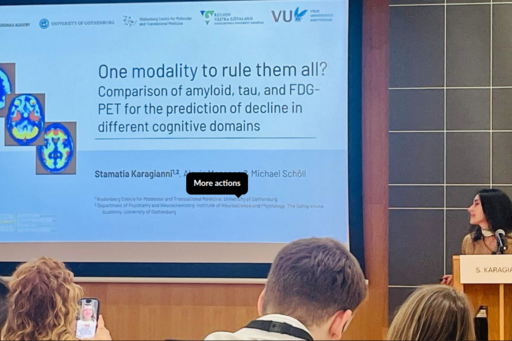
Stamatia presented her Master's Thesis at the 13th European Conference on Clinical Neuroimaging (ECCN) in Madrid, Spain. Conducted in our lab, her research compared amyloid, tau, and FDG-PET for predicting cognitive decline across different cognitive domains. The key finding? Tau-PET showed the highest predictive accuracy, suggesting that single-modality imaging—especially tau-PET—may be sufficient for tracking cognitive decline, streamlining clinical applications and reducing the need for multimodal imaging.
Real AD at the Research days
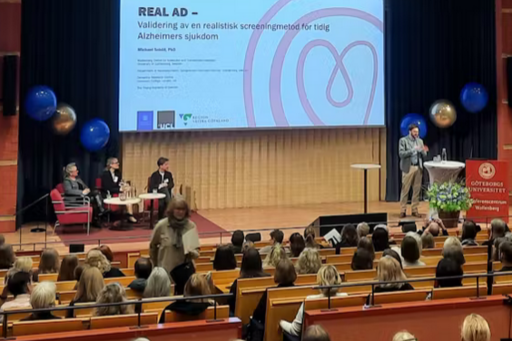
The Forskningsdager, a joint initiative by the Sahlgrenska Academy and Sahlgrenska University Hospital, gathered staff from both organizations along with other interested participants from the Västra Götaland Region. This year’s event was particularly special as it marked the 10th anniversary of the initiative. Over the past decade, the event has grown into a vital platform for sharing impactful research and fostering collaboration across the Sahlgrenska Academy, Sahlgrenska University Hospital, and the wider VGR region.
One of the highlights of the day was a session focused on dementia and early diagnostics – spanning from primary to hospital care – with the REAL AD study taking center stage. The presentations covered topics such as the current diagnostic process for Alzheimer's disease in Sweden and the latest advancements in blood-based testing, an innovation that has significantly transformed Alzheimer's research. Building on these developments, Professor Michael Schöll, the study’s lead investigator, delivered an insightful overview of the REAL AD study's aims, significance, and its potential impact on future research and patient care.
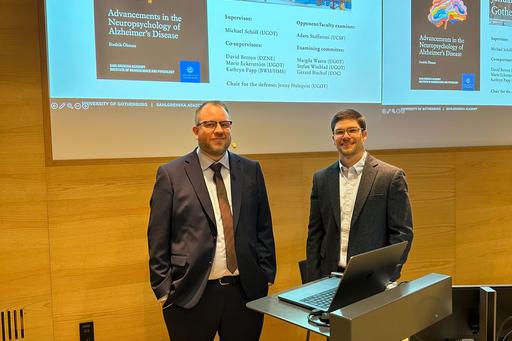
Fredrik Öhman's PhD Defence: "Advancements in the Neuropsychology of Alzheimer's Disease"
In his research, Fredrik Öhman focuses on smartphone-based cognitive assessments, a novel approach that enables repeated and longitudinal cognitive testing in a remote and unsupervised setting.
These digital tools have the potential to rapidly identify and track subtle cognitive changes at the preclinical stage of Alzheimer’s disease—long before clinical symptoms become apparent.
Congratulations on successfully defending your PhD, Dr Fredrik Öhman! Your hard work, dedication, and expertise have truly paid off.
Advances in the Cognitive Assessment of Neurodegenerative Diseases: Symposium in Gothenburg
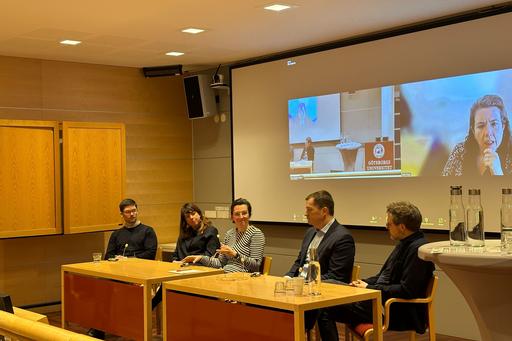
The event, organized by Michael Schöll and Fredrik Öhman, provided a platform for groundbreaking discussions on digital cognitive assessments and their role in early detection and monitoring of neurodegenerative conditions. We were happy to have with us excellent presentations and discussions from Jason Hassenstab (Washington University in St. Louis, USA), Adam Staffaroni (University of California, San Francisco, USA), David Berron (German Center for Neurodegenerative Diseases (DZNE), Magdeburg and neotiv GmbH, Germany), Alexandra König (Université Côte d'Azur, Nice, France and ki:elements, Germany), Sietske Sikkes (Alzheimer Center Amsterdam, VU University Medical Center, Netherlands), and Kathryn Papp (Harvard Medical School, USA). Thanks to the speakers for a great afternoon with insights into state-of-the-art research in effective and early assessment of neurodegenerative diseases.
Highly cited researcher
Michael Schöll was rewarded as highly cited researcher from Clarivate. Where citation was not the only criteria for the reward. Based on qualitative analysis and expert judgment the evidence was observed for community wide recognition from an international and wide ranging network of citing authors. Good job Michael!

CTAD 2024 in Madrid, Oct 29 – Nov 1
Michael and REAL AD traveled to Madrid for CTAD 2024! Michael had an oral presentation on the first preliminary results of REAL AD, titled 'REAL AD - Validation of a realistic screening approach for early Alzheimer's disease'. Interested? Then visit www.realad.se to stay updated!
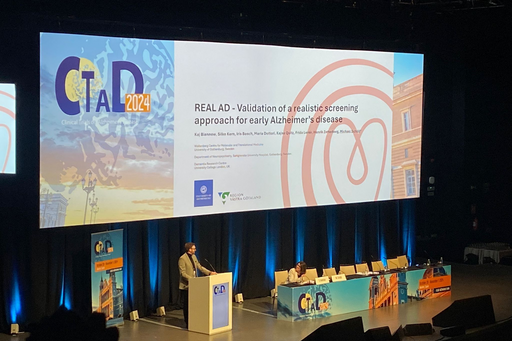
Stamatia Karagianni joined CTAD 2024 in Madrid too! There she presented a poster on her work, titled 'Concordance between FDA/EMA-approved Visual Interpretation of [18F] Flortaucipir PET Images and the CenTauR Scale'. Great start Stamatia!
REAL AD Launch
We have gone live as of April 22, 2024!
After over two years of planning, we celebrated with a beautiful cake the launch of our most important study to date, REAL AD!
For regular updates, please visit: www.realad.se

Alzheimer’s Rally, Amsterdam
Michael went the extra mile, literally! He drove his vintage car from Gothenburg to Amsterdam to join his colleagues at the annual Alzheimer's rally held on April 19, 2024. In addition to the charm of the vintage cars, this event is renowned for its philanthropic impact, as it raises funds for the Alzheimer Center Amsterdam through donations from the participants.

REAL AD Kick-off
On March 12, 2024, over 50 people gathered at Sahlgrenska Academy to mark the start of our new research study, REAL AD, with the vision to find Alzheimer's disease (AD) sooner! The study will look into a realistic screening approach for preclinical AD using blood-based biomarkers and remote cognitive testing, with West Sweden serving as a model region. We look forward to celebrating more future milestones together!
For more information, please visit: www.realad.se
“Old Servants” Symposium at the Nobel Forum, Karolinska Institutet
Michael was invited to speak about the challenges of implementing new immunotherapies in the "Alzheimer world" on January 18-19, 2024! The meeting was opened by Her Majesty Queen Silvia. He gave a talk on the clinical implementation of Alzheimer's disease biomarkers and participated in a panel discussion with distinguished scientists such as Philip Scheltens, Miia Kivipelto, Sebastian Palmqvist, and Anders Wimo on the readiness of primary care and memory clinics.
First visit to Korea as a National Korean BrainPool Fellow
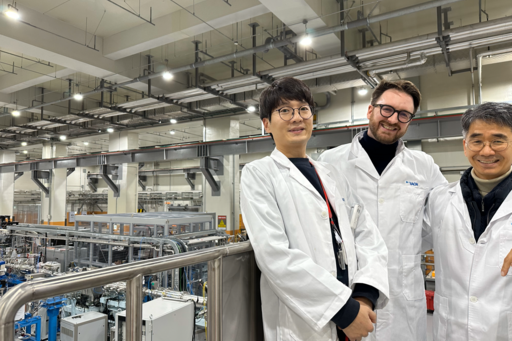
Michael visited Korea as a BrainPool Fellow from December 3 to 13, 2023. During his visit, he shared his expertise on the clinical implementation of Alzheimer's disease biomarkers at Yonsei University, the Institute of Basic Science at Incheon and Siemens Medical Centre.
Michael was recently recruited to the South Korean Brain Pool program, where he will collaborate with his host, Professor Justin Lee, who heads the Center for Cognition and Sociality at the Institute of Basic Science (IBS), to validate advanced imaging techniques to enhance our understanding of synaptic integrity in neurodegenerative diseases.
A 10-day scientific visit to China
Michael, along with colleagues Kaj Blennow and Nicolai Franzmeier, were invited to share their expertise on biomarkers for Alzheimer's disease and other dementias. During their visit to China from October 6 to 15, 2023, Michael spoke at Fudan University in Shanghai, Shenzhen Bay Laboratory, and the Sino-German Meeting for Neurodegenerative Diseases in Hainan about the clinical applications of imaging and non-imaging biomarkers for Alzheimer's disease.
The International Congress on Neurodegenerative Diseases in Malaga
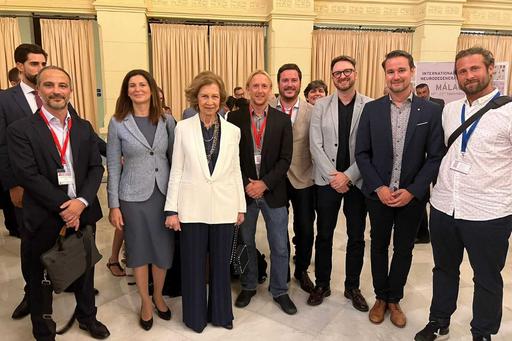
The scientific congress which seeks to bridge society with research advancements in combating neurodegenerative diseases, was held on September 19-22, to coincide and celebrate International Alzheimer’s Disease Day. Michael was invited as a speaker and delivered a presentation titled "Bridging the gap - bringing (blood-based) biomarkers into the clinic", and Michel chaired the “New ways of imaging dementia in the era of disease-modifying drugs” session. They also had the opportunity to meet H.M. Queen Sofía, who presided over the congress.
Michael promoted to Full Professor
We are extremely proud to announce that Michael got promoted to Full Professor of Molecular Medicine at the Univerisity of Gothenburg.

Group members
Senior Research Associates
Nicolai Franzmeier, PhD
E-mail
Nicolai Franzmeier is a Junior Research Group Leader at the Institute for Stroke and Dementia Research at the LMU University Hospital in Munich. His research uses multimodal PET and MRI-based neuroimaging to develop mechanistic models of Alzheimer’s disease progression, with a particular focus on tau pathology. He joined the Schöll group as a Senior Research Associate in 2022 to co-supervise research projects on tau-PET and fluid biomarkers in Alzheimer’s disease.
Postdoctoral Researchers
Konstantinos Poulakis, PhD
Konstantinos Poulakis is a Postdoctoral Researcher focused in Data Science for Neuroimaging at the University of Gothenburg. His research develops multiview statistical and machine‑learning frameworks that integrate MRI, PET, fluid, and clinical measures to model heterogeneity in the Alzheimer’s disease continuum and related diseases. He focuses on Bayesian longitudinal subtyping, uncertainty‑aware trajectory modeling, and scalable, reproducible workflows for cross‑cohort translation and clinical decision support. Konstantinos received a PhD in Medical Science from Karolinska Institutet (2021) and completed postdoctoral training at Karolinska Insitute (2021–2023) and McGill's University (2023–2025) with special focus on statistical implementation. He leads integration projects combining imaging, vascular risk, omics, and health registries, and collaborates with Swedish and international teams to develop precision‑oriented diagnostic tools and quantitative risk models for dementia.
Fredrik Öhman, PhD
Fredrik Öhman is a postdoctoral Researcher in Michael Schöll's research group and the Institute of Neuroscience and Physiology, Sahlgrenska Academy. Fredrik are using neuropsychology, neuroimaging and neurochemical biomarkers to validate newly developed methods for detecting cognitive impairment in early stage dementia disorders.
Besides Fredrik’s research work, he is a clinical psychologist at the Sahlgrenska University Hospital memory clinic.
Laura Stankeviciute, PhD
Laura joined the group as a Postdoctoral Researcher working for the REAL AD. She completed her PhD in Neuroscience at the BarcelonaBeta Brain Research Center and Harvard Medical School. Her research centres on the role of sleep in preclinical AD, employing a multi-modal approach that integrates advanced neuroimaging, fluid biomarkers, and cognitive assessments to understand how sleep disturbances contribute to AD pathology. Laura’s work is also directed towards investigating sex differences in sleep and AD, exploring potential biological mechanisms —such as hormonal fluctuations— that may alter sleep patterns and interact with Alzheimer’s biomarkers to affect disease progression. She has a strong interest in health technology, particularly in digital biomarkers and wearable devices for early diagnostics and continuous monitoring to capture subtle changes in sleep and assess their impact on AD biomarkers and cognitive performance.
Doctoral Candidate
Stamatia Karagianni, MSc
Stamatia is a PhD student in Michael Schöll's group, focusing on the development and optimization of techniques in neuroimaging, brain networks, and precision medicine for the diagnosis and treatment of neurodegenerative diseases.
Before starting her PhD, Stamatia completed her Master’s thesis in the same lab, investigating the predictive accuracy of different PET modalities across cognitive domains. She holds a research Master’s degree in Cognitive Neuropsychology from Vrije Universiteit Amsterdam. She conducted her research internship at the Alzheimer Center Amsterdam, exploring plasma biomarkers and cognitive performance in centenarians as part of the Dutch 100+ study. In parallel, she worked as a research assistant at the Spinoza Center for Neuroimaging.
Stamatia holds a Bachelor's degree in Psychology from the University of Athens.
Frida Lenér
Frida Lenér is a PhD student in Michael Schöll's research group, focusing on the early detection of Alzheimer’s disease in primary healthcare settings. Her research aims to evaluate the feasibility of integrating novel diagnostic tools, such as remote cognitive testing and blood-based biomarkers, into Sweden's primary healthcare infrastructure. Throughout her PhD-studies, she will assess the effectiveness, cost-efficiency, and implementation challenges of these diagnostic methods. Frida is a member of the REAL AD study management team and has a background as a licensed pharmacist and research coordinator at the Centre for REDI Primary Healthcare Fyrbodal in Region Västra Götaland (VGR).
Real AD Project Leaders
Iris Bosch, MSc
Iris is working as a project leader for the Real AD study. She has a research master’s degree in Brain and Cognitive Sciences from the University of Amsterdam and is particularly interested in the application of AD biomarker findings to clinical practice, as well as connecting science to society.
She graduated with a joint project from the Alzheimer Center Amsterdam and the Department of Radiology & Nuclear Medicine (Amsterdam UMC), where she investigated the predictive value of tau PET and relative cerebral blood flow for atrophy in Alzheimer’s disease.
Kajsa Quitz
Kajsa Quitz is a business developer at Närhälsan, where she has worked for over a decade. Kajsa is the project leader at REAL-AD Närhälsan. She together with ”labbråd” organise logistics to ensure all the Närhälsans health care centers are able to take the blood samples for the study.
Maria Dottori
Maria Dottori works as a research coordinator at Region Västra Götaland (VGR), Research, Education, Development & Innovation (REDI), Primary Health Care, Sweden. She is a licensed physiotherapist with extensive experience of clinical research within larger regional and national research studies in healthcare since 2011.
Maria is part of the VGR project management team for the REAL AD study.
Research Associates
Emma Gummesson
Emma is a Research Associate at the Molecular Neuroimaging Laboratory led by Michael Schöll. She holds an Honours Bachelor’s degree in Psychology and a Master’s degree in Neuroimaging for Clinical and Cognitive Neuroscience from the University of Manchester.
She conducted her master's dissertation at the Wolfson Molecular Imaging Centre in Manchester, focused on early- and late-phase [¹⁸F]Florbetapir PET signal characteristics in Alzheimer’s disease, mild cognitive impairment and frontotemporal dementia.
Roshini Sridhar
Roshini is a Research Associate at the Molecular Neuroimaging Laboratory, led by Michael Schöll. She holds a Bachelor’s degree in Psychology from the University of Madras, India, and a Master’s degree in Drama and Movement Therapy from the University of London. She previously worked as a Hospital Dementia Advisor with the Alzheimer’s Society, supporting patients and families affected by dementia. Most recently, she completed a Master’s in Cognitive Neuroscience at Maastricht University, where her thesis investigated the relationship between fear of touch and the function of mesolimbic dopaminergic brain structures in the context of chronic pain.
Louise Gustafsson
Louise is a Research Associate at the Molecular Neuroimaging Laboratory, led by Michael Schöll. She holds an Honours Bachelor’s degree in Psychology and a Master’s degree in International Marketing with Consumer Psychology.
With an interdisciplinary academic background, Louise has developed a strong interest in human cognition, behaviour, and psychological processes. Her academic training combines perspectives from psychology and consumer behaviour research, with particular emphasis on cognition, decision-making, and behavioural analysis. Louise recently joined the group and is eager to contribute to ongoing research in neurodegenerative diseases and cognitive health.
Research Administrator
Eva Bringman
Eva Bringman is a registered nurse with long experience of clinical research in both healthcare and pharmaceutical industry. She has been working as research coordinator in the field of dementia research at the Department of Neuroscience and Physiology for several years. Joined the Schöll group January 2018.
Group activities
AAIC 2025 in Toronto Canada, July 27-31
At the Alzheimer’s Association International Conference 2025, the research group presented new findings spanning large-scale studies to biomarker precision.
Iris Bosch shared REAL AD study insights from 0–6,000 participants collected in just nine months. Alexis Moscoso Rial reported rates of progression to Tau PET positivity in preclinical Alzheimer’s disease. Laura Stankeviciute’s poster linked poorer sleep quality to higher plasma Alzheimer’s disease biomarkers and reduced cognition, with sex as a moderating factor. Miguel Labrador-Espinosa highlighted the utility of tau biomarkers for predicting clinical outcomes in preclinical Alzheimer’s disease. Stamatia Karagianni presented and exhibited a poster on plasma p-tau217’s ability to differentiate intermediate from high Alzheimer’s disease neuropathologic changes.
Great job and contribution for the team!

Biomarkers for Neurodegenerative Diseases - 20-24 May, 2024
The collaboration between the University of Gothenburg, University College London, and BarcelonaBeta Brain Research Center continues this year with the latest course edition, providing unparalleled expertise to over 50 participants from around the world, fostering new research collaborations and expanding knowledge in the various domains of biomarkers research.
Course website link: biomarker-course.org

Biomarkers for Neurodegenerative Diseases - 20-24 May, 2024
The collaboration between the University of Gothenburg, University College London, and BarcelonaBeta Brain Research Center continues this year with the latest course edition, providing unparalleled expertise to over 50 participants from around the world, fostering new research collaborations and expanding knowledge in the various domains of biomarkers research.
Course website link: biomarker-course.org

AD/PD 2024 - 5-9 March, 2024
The International Conference on Alzheimer's and Parkinson's Diseases and Related Neurological Disorders (AD/PD) was held this year in Lisbon, Portugal. Michael, Alexis, Meera, Miguel and Prithvi represented the group and engaged in stimulating scientific discussions pertaining to advances in disease mechanisms, prevention, and therapy.

Julbord aka Christmas dinner - December 13, 2023
All the group members came together for a festive feast of joy, laughter, and delectable delights that captures the spirit of the season.

Swedish NeuroPET symposium - October 2-3, 2023
This year’s NeuroPET meeting was organized in Lund, Sweden. NeuroPET is an annual meeting where PET researchers from all over Sweden gather to present and discuss their research and potential collaborations. Alexis and Fiona who attended the meeting had two inspiring days with their presentations attracting a lot of interest.

AAIC 2023 – July 16-20, 2023
This year’s edition of the Alzheimer’s Association International Conference (AAIC) took place in Amsterdam, the Netherlands. We were thrilled to be able to attend the conference and come together with researchers from all over the world to advance dementia science.
Our lab was also invited to share our latest work through oral and poster presentations during the main conference, as well as the Alzheimer’s Imaging Consortium (AIC) pre-conference.
During the conference, Michel also got awarded with a "de Leon Prize in Neuroimaging". This award recognizes scientists for publishing “best papers” in the field of neuroimaging of neurodegenerative processes.

Lab retreat 2023 – May 30-31, 2023
For this year’s lab retreat, we traveled to Gullmarsstrand, a conference hotel right on the Swedish west coast. We also had the pleasure of hosting distinguished external collaborators, Dr. Nico Franzmeier, Dr. Anna Dewenter, and Anna Steward from Ludwig Maximilian University of Munich and Institute for Stroke and Dementia Research (Munich), and Dr. Michel Grothe, Dr. Jesús Silva Rodríguez, and Miguel Labrador-Espinosa from Instituto de Biomedicina de Sevilla (IBiS, Spain).
The retreat had a strong focus on identifying new research projects and collaborations between all three research groups attending the retreat: the Neuroimaging section of the Movement Disorders Group at IBiS led by Michel Grothe, The Franzmeier lab led by Nico Franzmeier, and our research group led by Michael Schöll.
Altogether we had great sessions where we got to learn more about each other's expertise, presented existing datasets within each group, and formulated new collaborations. The rest of the retreat was filled with team-building games, socializing over delicious meals, and one of Sweden’s most beloved ways to relax – visiting a spa. We had two wonderful days!

6th Workshop on Biomarkers for neurodegenerative diseases - May 15-19, 2023
This year's edition of the Biomarker course (UCL/UGOT) was hosted by, and organized in collaboration with, the Barcelonaβeta Brain Research Center. The course is a unique opportunity to delve into biomarkers and explore new frontiers of research, and was attended by 60 doctoral students from 11 different countries.
Click here to watch a Catalan news item about the biomarker course, including an interview with Michael.

AD/PD 2023 - March 28-April 1, 2023
This year’s edition of the International Conference on Alzheimer’s and Parkinson’s Diseases and related neurological disorders (AD/PD) was held in our home town, Gothenburg. It was a great pleasure to welcome fellow researchers from around the world to Gothenburg, to discuss latest findings and to strengthen current, as well as establish new collaborations.
All in all, it was a very interesting, inspiring, and fun AD/PD edition! "Välkommen åter".

WCMTM Yearly Event - March 21, 2023
On the 21st of March, our lab attended the Wallenberg Centre for Molecular and Translational Medicine (WCMTM) yearly event. Different WCMTM researchers presented their work and, with the theme of this years event being 'knitting networks for life science', examples and views on good collaborations within life sciences were shared. Michael also presented our latest study called 'REAL-AD', investigating a realistic screening approach for preclinical Alzheimer's disease. All in all, it was a day filled with interesting talks and inspiring network opportunities!

NeuroPET meeting 2022 – 4-5 October, 2022
At the beginning of October, our research group traveled to Stockholm to attended NeuroPET 2022, the annual meeting for neuroPET research in Sweden. It was a great pleasure to come together with fellow researchers from all over Sweden, representing the Universities of Gothenburg, Linköping, Lund, Stockholm, Umeå and Uppsala.
Over the course of two days, we discussed latest findings, current work and future goals. We had a great time together and are looking forward to what the future will hold for neuroPET research in Sweden!

The Wallenberg Centre yearly kick-off – 19-20 September, 2022
Being part of The Wallenberg Centre for Molecular and Translational Medicine (WCMTM), our research group got invited to the yearly kick-off event. The event took place at Aspenäs Herrgård and here we got together with all other WCMTM research groups to connect and establish potential collaborations. We had a great time meeting everyone.
Highlights from previous years
2022 - Lab retreat 2022
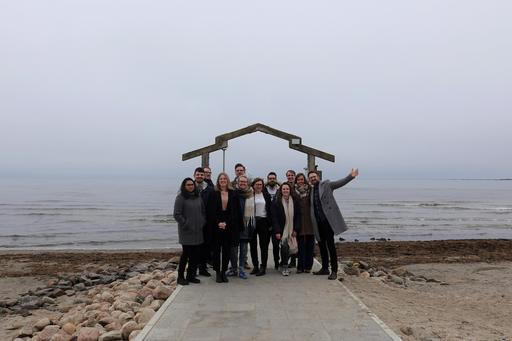
For this year’s lab retreat, we traveled to Falkenberg Strandbad, a spa hotel on the Swedish west coast. All lab members and external guests presented their research interests, current work, as well as future plans. Altogether it was a great session to get to know each other better, spark ideas for future research and identify potential collaborations.
The second day was all about mission and vision. During the first part, we talked about what we do as a group, our mission, and what we are striving to achieve. It turned out to be a very meaningful and inspiring conversation and we re-defined the group’s mission and vision. During the second part we zoomed in on our personal profiles and visions and how these could be aligned in a two-way manner with the mission and vision of the group. The retreat was concluded with a team-building game and lunch. We had two wonderful days!
Other group activities this year: Charity run for the Swedish Brain Foundation, AD/PD 2022, summer barbecue, AAIC 2022, the Wallenberg Centre yearly kick-off, NeuroPET meeting 2022 in Stockholm, and our yearly Christmas dinner.

2021 - Summer barbecue
After a long year of working from home, the research group finally had a chance to get together to celebrate this year’s accomplishments with some burgers and beers. The sun was shining, we had a great time, and are now ready to face the rest of the year with renewed energy!
Other group activities this year: Lab dinner, NeuroPET meeting in Umeå, Christmas dinner and PhD course "Biomarkers for neurodegenerative diseases" organized in collaboration with UCL Dementia Research Centre.
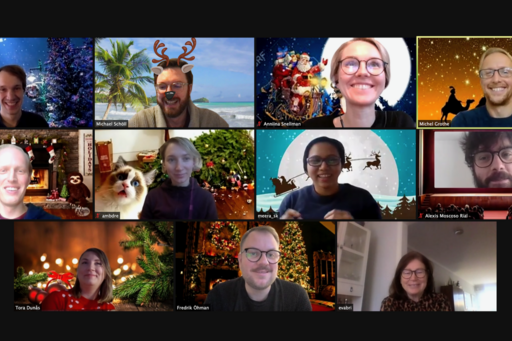
2020 - Christmas Dinner
Every year just before the Christmas holidays, our team enjoys a Julbord, a typical Swedish Christmas buffet. This year the traditional Molecular Neuroimaging Julbord was held virtually.
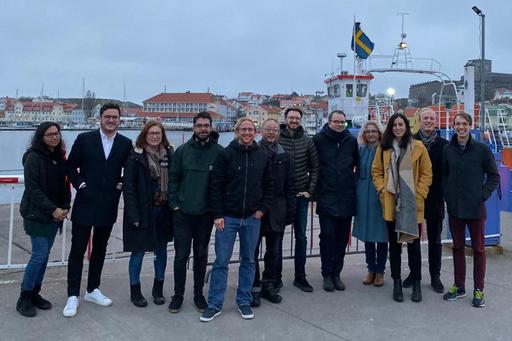
2019 - Molecular Neuroimaging Lab Retreat
Our annual lab retreat was facilitated at Marstrands Havshotell on the 25th-26th of November. We had the pleasure of hosting distinguished external collaborators from universities and research institutions around the world. Our guest list included Dr. David Berron from University of Lund, Sweden, Dr. Andréa Lessa Benedet from McGill Univeristy, Canada, Alexis Moscoso from University of Santiago de Compostela, Spain, as well as Dr. Anne Maass and Dr. Michel Grothe from the German Center for Neurodegenerative Diseases (DZNE).
Other group activities this year: Christmas dinner at Chalmersska Huset
Presentations
Conferences
AAIC2025
Oral Presentations
"Rates of progression to Tau-PET positivity in preclinical Alzheimer's disease"
Alexis Moscoso Rial, PhD
"Differential performance of plasma p-tau217 in detecting intermediate vs high Alzheimer's disease neuropathologic change"
Stamatia Karagianni, MSc
Posters
"From zero to 6,000 in 9 months: Recruitment and innovation strategies for a remote longitudinal Alzheimer's population-based screening study - Insights from the REAL AD study"
Iris Bosch, MSc
"Worse subjective sleep quality is associated with higher plasma Alzheimer's disease biomarkers and cognition in cognitively healthy older adults: the moderating role of sex"
Laura Stankeviciute, PhD
"Utility of tau biomarkers for detecting clinical outcomes in preclinical Alzheimer's disease"
Miguel Labrador-Espinosa, PhD
"Differential performance of plasma p-tau217 in detecting intermediate vs high Alzheimer's disease neuropathologic change"
Stamatia Karagianni, MSc
Grants and Awards
Dissertations
Fredrik Öhman, 2025
Advancements in the Neuropsychology of Alzheimer's Disease
Meera Shrikrishna, 2022
Deriving biomarkers from computed tomography using deep learning
Antoinette O'Connor, 2021
Familial Alzheimer’s disease: preclinical disease and pathophysiology biomarkers
Axel Tjörnstrand, 2020
Pituitary tumors - epidemiology and the diagnostic value of 68 Ga-DOTATOC PET/CT
Jennifer Alvén, 2020
Combining Shape and Learning for Medical Image Analysis-Robust, Scalable and Generalizable Registration and Segmentation