
About the Skagerak Facility
Skagerak Facility is part of the University of Gothenburg’s marine research infrastructure and supports high-quality scientific research at sea and in coastal areas. We provide access to advanced platforms, scientific instruments and expert knowledge for studying the marine environment.
Science in Motion – Skagerak Facility
At the heart of the Skagerak Facility marine research infrastructure is the research vessel R/V Skagerak – a state-of-the-art vessel equipped for multidisciplinary expeditions in coastal waters, the open ocean and polar regions.
The infrastructure also includes the autonomous underwater vehicle RAN, which operated independently and enabled data collection at great depths and in remote, difficult-to-access areas.
Although RAN was lost during a mission in early 2024, the data it collected continues to generate pioneering scientific results.
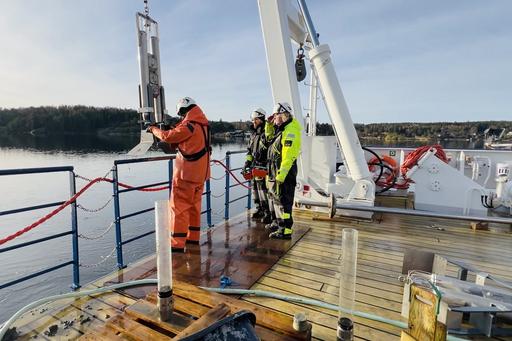
A platform for advanced marine research
Skagerak Facility supports cutting-edge research in physical oceanography, marine chemistry, biology, geology and environmental science.
The facility is open to researchers from academia, as well as companies, public authorities and organisations seeking to conduct advanced marine studies or specialised expeditions.
Through collaboration, technological innovation and open data, the infrastructure contributes to a deeper understanding of the ocean and its role in the Earth system.
Skagerak Facility is based at Nya Varvet in Gothenburg and at Natrium, the University of Gothenburg’s hub for marine and environmental sciences at Medicinareberget. This ensures close links between fieldwork, laboratory facilities and academic research.
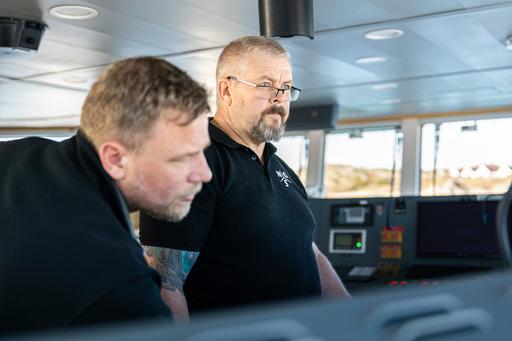
At the heart of the Skagerak Facility marine research infrastructure is the research vessel R/V Skagerak – a state-of-the-art vessel equipped for multidisciplinary expeditions in coastal waters, the open ocean and polar regions.
The facility also includes the autonomous underwater vehicle RAN, which operated independently and enabled data collection at great depths and in remote, difficult-to-access areas.
Although RAN was lost during a mission in early 2024, the data it collected continues to generate pioneering scientific results.