Ellinor Wisén: Vasopressin in liver surgery – blood loss and complications
Ellinor Wisén has studied whether the drug vasopressin can reduce blood loss and the need for transfusion during liver surgery. The findings show no difference in blood loss, but fewer complications among patients who received the drug.
ELLINOR WISÉN
Dissertation defense: 12 September 2025 (click for details)
Doctoral thesis: Vasopressin for prevention of blood loss during liver surgery; physiological and clinical studies
Research area: Anesthesiology and Intensive Care
Sahlgrenska Academy, The Institute of Clinical Sciences
Blood loss during liver surgery remains a major challenge. At Sahlgrenska University Hospital, patients undergo liver surgery almost daily, often due to metastases or primary tumors. Blood loss and transfusion are linked to poorer outcomes, including shorter time to cancer recurrence. Several methods have therefore been tested to reduce blood loss, including drugs that affect liver circulation.
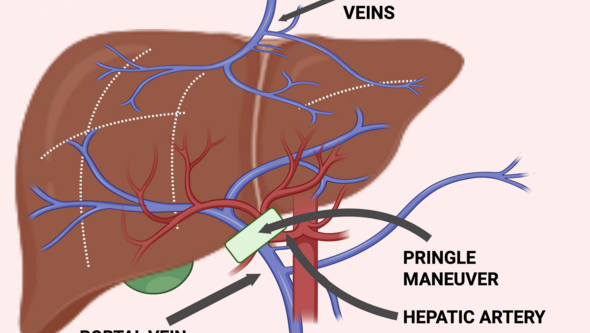
“My thesis shows that vasopressin lowers blood flow in the liver and the portal vein, a large blood vessel that carries nutrient-rich blood from the intestine to the liver where the blood is cleansed and processed. When nitroglycerin is added, blood pressure in the hepatic veins also decreases, but at the cost of unstable circulation,” says Ellinor Wisén, senior consultant in anesthesiology and intensive care at Sahlgrenska University Hospital, and doctoral student at The Institute of Clinical Sciences.
Fewer complications
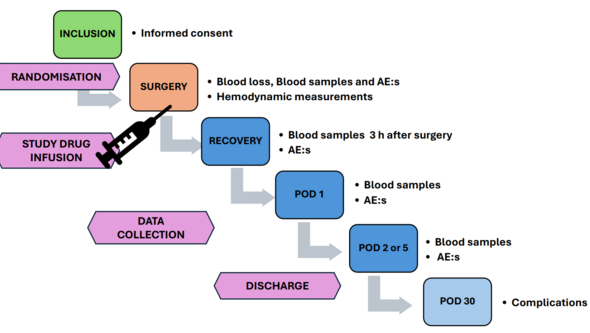
In a randomized study of 270 patients, researchers examined whether vasopressin could reduce blood loss during liver surgery. The results showed no difference between the vasopressin and placebo groups in terms of blood loss or transfusion needs.
“Our data show that vasopressin does not reduce blood loss during liver surgery when low central venous pressure and mechanical inflow occlusion are used. However, patients in the vasopressin group experienced fewer complications after surgery, particularly fewer infections.”
Biomarkers in focus
The study also examined biomarkers for kidney and heart function. As expected, the levels increased during surgery, but the rise was seen in both groups and there was no difference between vasopressin and placebo.
“The results show that vasopressin does not increase the risk of organ injury during liver surgery and may contribute to reducing complications,” says Ellinor Wisén.
Challenges and lessons
What has been rewarding and what has been challenging about your doctoral project?
“It has been rewarding to work with so many colleagues and to try to answer a question that arised in our clinical practice. At the same time, it has been challenging to conduct a large randomized drug trial and manage all the administration that comes with it.”
Text: Jakob Lundberg