Closer look: The clone in the Baltic Sea
A picture says more than a thousand words. Science & IT Magazine takes a closer look at a scientific phenomenon:
A new specimen of bladderwrack has settled in a suitable place on the seabed. Like other algae, bladderwrack has no roots. This particular specimen is growing in the Baltic Sea, and is part of what could be the world’s largest clone.
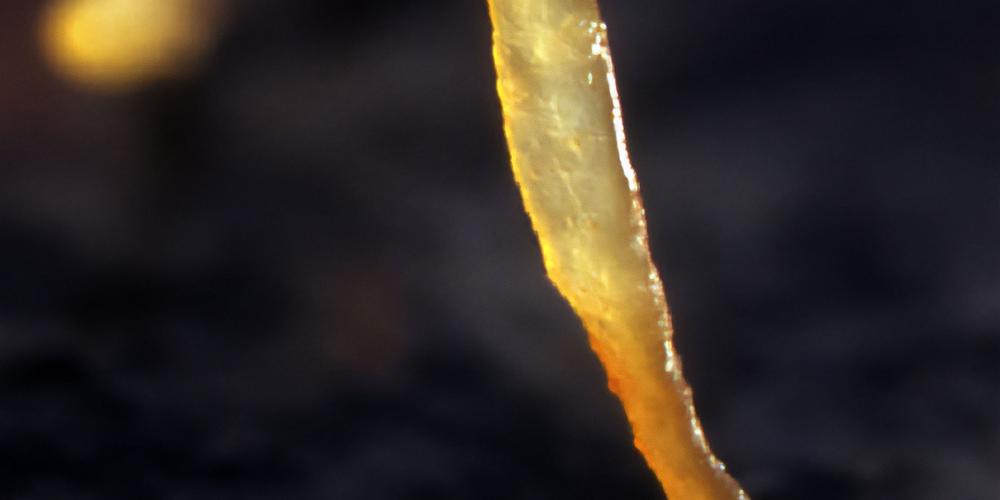
By releasing small pieces that drift away with the ocean currents, a single female bladderwrack has cloned itself along the entire coast of the Bothnian Sea – from Öregrund in Uppland up as far as just south of Umeå. Researchers identified the clone through DNA sequencing. It turned out that a small and bushy form of seaweed in the Baltic Sea that was previously thought to be a separate species (called narrow wrack) was in fact a clone of bladderwrack.
A clone almost entirely lacks the genetic variation that would otherwise allow individuals in a population to cope with environmental changes and thus contribute to the survival of the species. As bladderwrack is an important habitat for many other species in the Baltic Sea, the researchers’ discovery has implications for how future shallow ecosystems will appear and function in a changing ocean..
Text: Erika Hoff
