Annie Guo: Diet and early-life environment linked to risk of IBD
Inflammatory bowel disease (IBD) is increasing worldwide, with Scandinavia among the regions with the highest prevalence. Annie Guo’s thesis supports the hypothesis that factors during pregnancy and early childhood – including diet, infections, and daycare attendance – may influence the risk of developing the disease.

ANNIE GUO
Dissertation defense: 22 May 2026 (click for details)
Doctoral thesis: Early-life environment and risk of inflammatory bowel disease
Research area: Pediatrics
Sahlgrenska Academy, The Institute of Clinical Sciences
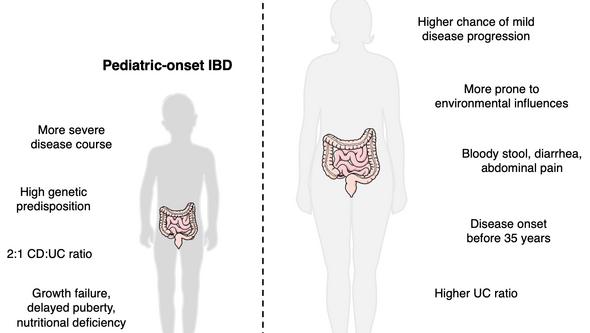
Inflammatory bowel disease (IBD), which includes Crohn’s disease and ulcerative colitis, is characterized by chronic inflammation of the gut. The disease occurs in relapsing episodes and can cause severe symptoms requiring intensive treatment and, in some cases, surgery.
“IBD is a lifelong condition that often develops in early adulthood and sometimes already in childhood. We believe it arises from an interaction between the gut microbiota, the immune system, and environmental factors. Early life is thought to be a particularly important period because both the gut microbiome and the immune system undergo major development during those years,” says Annie Guo, dietitian and doctoral student at the Institute of Clinical Sciences.

Based on large population studies
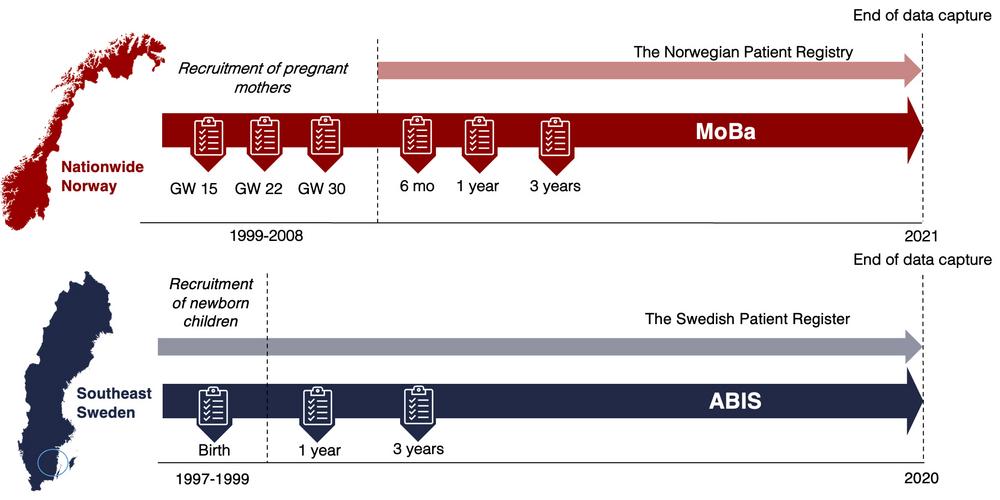
The thesis uses large population-based studies from Sweden and Norway, where children and their families have been followed from birth into adulthood. Parents have reported the children’s health, diet, and environment over time, and the data have been linked to national registers.
“We have focused in particular on hygiene-related factors and diet during the first three years of life, as well as maternal infections, antibiotic use, and diet during pregnancy.”
Environmental factors and increased risk
Several environmental factors were found to be associated with the risk of developing IBD.
Having older siblings was associated with a higher risk, as were infections early in pregnancy (before gestational week 17) and gastrointestinal infections later in pregnancy (from week 17 onwards).
Early dietary patterns also played a role. Children who consumed sugar-sweetened beverages at one year of age had an increased risk of developing IBD.
Diet may reduce risk
At the same time, several findings point to protective factors.
“In our study, attending daycare at three years of age was associated with a 40 percent lower risk of developing Crohn’s disease,” says Annie Guo, continuing:
“High diet quality at one year of age (defined as a high adherence to dietary guidelines), and a high intake of vegetables and fish, was associated with a reduced risk of IBD. A varied maternal diet during pregnancy was linked to a lower risk of ulcerative colitis in the child.”
What has been the most rewarding and the most challenging aspects of your doctoral project?
“Pursuing a PhD has long been a dream of mine, and this project has met all my expectations and more. The most rewarding part has been challenging myself in analytical thinking and communicating my research in both writing and speaking, and working with inspiring and talented people. Some challenging parts have been learning not to focus too much on performance and not to lose sight of why we do this work – to improve the lives of our patients.
Text: Jakob Lundberg
