
New project will strengthen struggling coastal communities
Small coastal communities are finding it increasingly difficult to survive all year round. The KORALL research project has now received SEK 21,3 million from Formas to investigate new opportunities within the blue economy on the Koster Islands off Strömstad.
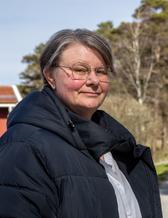
“We will try to find solutions to two major challenges: new ways of living that are economically sustainable, whilst making a significant contribution to vulnerable coastal environments,” says Susanne Lindegarth, project manager, Department of Marine Sciences.
Coastal communities are vulnerable from both an ecological and an economic perspective. Habitat loss, invasive species and climate change threaten coastal ecosystems, whilst fisheries and rural communities struggle with declining incomes, demographic ageing and seasonal dependence.
“We will therefore connect marine restoration measures with visitor engagement and local entrepreneurship in viable business models to enable people to continue living there all year-round,” says Susanne Lindegarth, project manager.
“It’s quite a new approach to work in this way with several different partners and areas of interest that can generate both environmental benefits and new local income.”
Restore oyster reefs
A major part of the project involves co-creation and participation in practical activities through citizen science. For example, visitors will help to restore oyster reefs by deploying reef bags seeded with juvenile oysters and monitor their development over the seasons. Sugar kelp seedlings will be planted and their growth monitored, again through citizen science.
A model will then be developed to combine shrimp fishery with tourism, cooking and learning-oriented marine experiences.
“Everyone should feel that they are involved and that their voice matters. There is a learning aspect to it as well. I think that’s an important part,” says Susanne Lindegarth.
Create new income opportunities
The project is regenerative. This means that the project’s activities should not only maintain an original condition, but should also have a positive effect. This can apply both to the environment and to the economy.
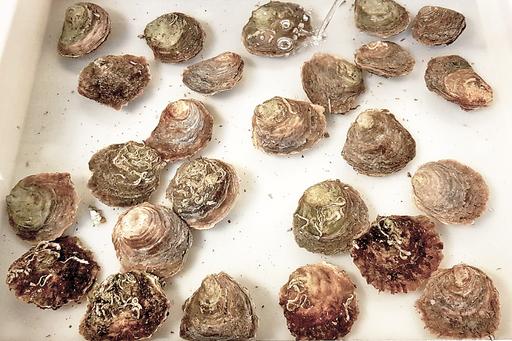
Cultivating seaweed and mussel species can sequester carbon dioxide and create habitats beneath the surface, whilst knowledge-based experiences in fishing and aquaculture can create new income opportunities for industries struggling with viability.
“Although the project is based in the Koster Sea, it is designed to be applicable elsewhere. Together, the project helps to demonstrate how coastal communities can become more resilient – ecologically, socially and economically,” says Susanne Lindegarth.
Text: Annika Wall
Title: Regenerative Blue Entrepreneurship: Linking Fisheries, Aquaculture and Tourism for Thriving Coastal Communities (KORALL)
Funding: SEK 21,3 miljoner for 5 years
Financier: Formas
Partners: County Administrative Board of Västra Götaland, Strömstad municipality, Ostrea Aquaculture, Shrimp fishery Dagny, Restaurant Kläpphagen Koster.
Contributing researchers: Susanne Lindegart, Gunilla Toth och Henrik Pavia, Department of Marine Sciences, University of Gothenburg; Erik Lundberg och Eva Maria Jernsand, Department of Business Administration, University of Gothenburg,


