Mruga Gurjar: Data-driven tools could improve radiotherapy workflows
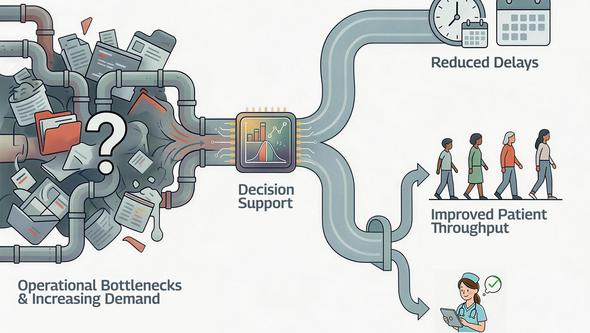
Many cancer patients experience delays before starting radiotherapy. Mruga Gurjar has developed decision-support tools that could help staff improve scheduling, resource allocation, and patient flow.

MRUGA GURJAR
Dissertation defense: 4 June 2026 (click for details)
Doctoral thesis: Data-driven decision support for the modern radiation therapy process - Technical solutions and computational insights to improve daily working strategies
Research area: Medical Radiation Sciences
Sahlgrenska Academy, The Institute of Clinical Sciences
Timely access to radiotherapy (RT) is a key challenge in cancer care, particularly in large patient groups such as breast cancer. Increasing demand also places growing pressure on RT services and makes day-to-day work more difficult for staff.
“One goal of this project was to use historical data to better understand these delays and identify hidden patterns,” says Mruga Gurjar, PhD student at the Department of Medical Radiation Sciences, Institute of Clinical Sciences.
She has a background in computer engineering and healthcare data, with a focus on simulation modelling, data transformation, statistics, and programming.
Data can support clinical decisions
The thesis focuses on how computational tools and data-driven methods can support RT workflows and improve decision-making in daily clinical work.
“Structured decision support can improve RT workflows by providing a clearer view of patient timelines.”
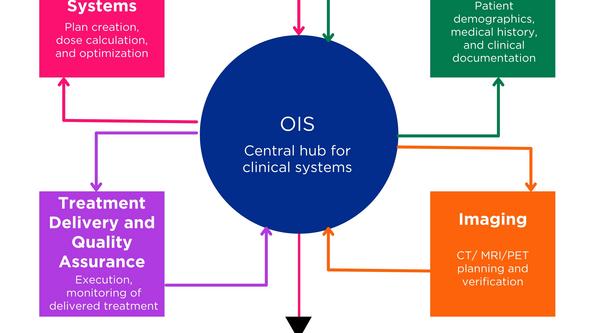
The developed tools can support decisions about scheduling and resource allocation while improving co-ordination across radiotherapy teams.
Multidisciplinary environment
What have been the most rewarding and the most challenging parts of your doctoral project?
“One of the most rewarding aspects has been working on clinically relevant problems in radiotherapy. I’ve also really enjoyed working in a multidisciplinary environment, combining technology, decision sciences, and clinical data,” says Mruga Gurjar, continuing:
“At the same time, it has been challenging to balance technical ideas with what actually works in practice.”
Text: Jakob Lundberg