
Marianne Malmquist: New findings on childhood IBD and effects beyond the gut
Inflammatory bowel disease in children can also affect other parts of the body. Marianne Malmquist’s research shows, among other findings, that the risk of developing the rare bone disease CNO is six times higher in children with IBD.

MARIANNE MALMQUIST
Dissertation defense: 15 October 2026 (click for details)
Doctoral thesis: Childhood-onset inflammatory bowel disease with focus on immunoreactivity in blood and associated conditions affecting the oral cavity and the skeleton
Research area: Pediatrics
Sahlgrenska Academy, The Institute of Clinical Sciences
Inflammatory bowel disease (IBD) includes the chronic conditions ulcerative colitis and Crohn’s disease, with symptoms such as bloody diarrhea, abdominal pain, poor growth, and delayed puberty.
Sweden has one of the highest rates of IBD in the world. Around 350 children are diagnosed each year, and the number is increasing.
“About one third of children also develop signs of disease outside the gut, affecting other organs. This has an additional impact on their well-being,” says Marianne Malmquist, pediatrician at the Department of Pediatrics in Växjö and doctoral student at the Institute of Clinical Sciences.
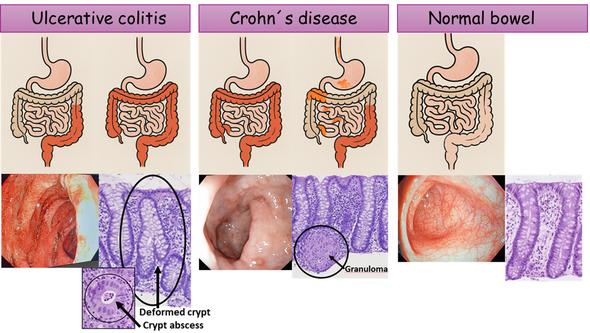
Differences in the immune system
Part of the thesis focuses on differences in the immune system between ulcerative colitis and Crohn’s disease. The researchers studied different subgroups of T and B lymphocytes, two types of white blood cells, in children who had recently been diagnosed and had not yet started treatment.
“We found that the lymphocyte populations differ between ulcerative colitis and Crohn’s disease. This suggests that the two diseases may, at least in part, have different underlying mechanisms.”
Six times higher risk of CNO
The research also includes children who have orofacial granulomatosis (OFG) or chronic non-bacterial osteomyelitis (CNO) in addition to IBD. OFG is an inflammatory condition affecting the mouth and face, while CNO causes inflammation in the bones without a bacterial infection.
A nationwide registry study showed that children with IBD were six times as likely to develop CNO as children without IBD.
“Children with both IBD and CNO developed the disease at a younger age than those with IBD alone. They were also more likely to show signs of disease outside the gut, particularly in the joints and bones, and psoriasis was more common.”
Children with IBD together with OFG or CNO more often received biological drugs than children with IBD alone.
Among children with Crohn’s disease and OFG, the researchers found a high prevalence of inflammation around the anus and granulomas in the intestinal lining. Granulomas are small, rounded collections of inflammatory cells.
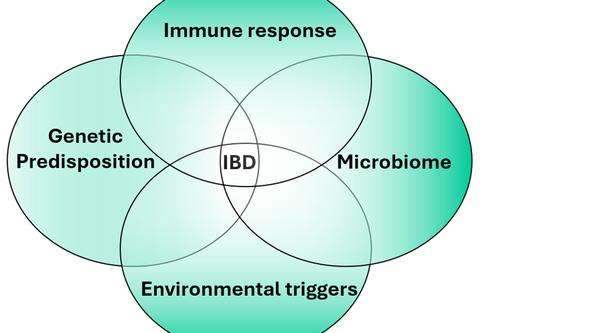
Better prediction of disease course
“Overall, the findings may make IBD easier to diagnose and improve our ability to predict the course of the disease in children who also have OFG or CNO. This is important for providing more individualized treatment.”
What have been the most enjoyable and the most challenging parts of your doctoral project?
“It has been very rewarding to have the opportunity to immerse myself in a research field. Because I also work clinically with children with IBD, the knowledge I have gained through my research benefits my patients as well,” says Marianne Malmquist and continues:
“The major challenge has been finding enough time for both my research and my responsibility for pediatric gastroenterology at the Department of Pediatrics in Växjö.”
Text: Jakob Lundberg