
Hanna Chin: Anesthesia training for physicians needs to be multifaceted
In her dissertation, Hanna Chin explores how physicians in anesthesia residency perceive their learning and professional development. The findings reveal a wide range of experiences and highlight the need to acknowledge this variation. Training programs must create better conditions for physicians to develop into confident, reflective, and professionally grounded anesthesiologists.

HANNA CHIN
Dissertation defense: 13 juni 2025 (click for details)
Doctoral thesis: Becoming an Anaesthetist – Making the Implicit Explicit in Specialty Training
Research area: Anesthesiology and Intensive Care
Sahlgrenska Academy, The Institute of Clinical Sciences
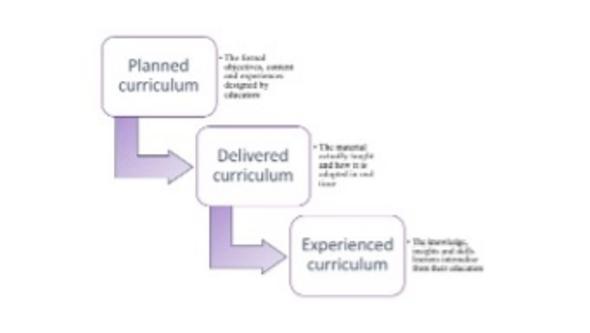
Anesthesia is an acute care specialty where rapid decision-making, technical skills, and strong teamwork are essential in complex situations. Both clinical and ethical sensitivity are key. That’s why it’s important that training goes beyond transmitting knowledge and skills - it also needs to support physicians in becoming well rounded professionals. Although the curriculum may be clearly defined, much of the learning actually takes place in everyday clinical work - through interactions with patients and colleagues.
“My dissertation focuses on how physicians become confident and independent anesthesia specialists. It’s not just about acquiring medical knowledge - it’s also about developing clinical judgment, managing uncertainty, and shaping a professional identity, says Hanna Chin, consultant in anesthesia and intensive care, , and a doctoral student at the Institute of Clinical Sciences. She works at CIVA and NIVA at Sahlgrenska University Hospital and is also the program director for anesthesia and intensive care.”
Her research is based on interviews with physicians in Sweden and the UK, aiming to understand how they perceive their learning during specialist training in anesthesia.
“I focused on how they view their professional development, from the first steps as beginners to becoming more independent and reflective specialists. The study includes both formal learning—like lectures and evaluations—and the more subtle, informal learning that happens through clinical experience and everyday encounters with patients and coworkers.”
Creating learning environments where physicians can grow
Chin mapped how physicians in training perceive and structure their own learning—not just what they do, but how they think about their professional development.
“By capturing and analyzing these patterns of thought, I’ve made often invisible and informal processes more understandable and tangible. These insights can inform the design of educational programs by offering a clearer picture of how physicians actually learn - which makes it possible to better support their professional growth and development. It’s about creating learning environments where physicians can grow both clinically and as reflective, independent specialists.”
What has been most rewarding and challenging about the PhD project?
“The most rewarding part was talking with colleagues and hearing their reflections on their work. Capturing these stories and identifying patterns has been both inspiring and insightful. The biggest challenge was shifting to qualitative research, which requires a different way of thinking about knowledge. Instead of counting and measuring, it’s about interpreting complex narratives and navigating more uncertain findings.”
Text: Susanne Lj Westergren