
Glaucoma and diabetes research
Short description
Glaucoma is an incurable and relatively common eye disease that can lead to blindness. In our research group, we investigate how the disease progresses and explore potential therapies. The group covers a range from genetics to clinical studies on laser treatment. Additionally, the group is involved in diabetes research based on a cohort that has been followed for 24 years. Data from this cohort have identified risk factors for diabetic retinopathy.
Introduction
Glaucoma is an incurable eye disease and is the second most common cause of blindness in Western Europe. The disease occurs mainly in individuals over the age of 70. There are currently no national statistics on the number of glaucoma sufferers in Sweden due to the lack of a registry. International estimates show that approximately 10% of the population at the age of 80 suffers from glaucoma. Since older age is a recognised risk factor, the prevalence is believed to be even higher among people around 90 years of age. It should also be noted that approximately 50% of patients with glaucoma are still undiagnosed.
Glaucoma can be divided into several types, with the main categories being open-angle glaucoma and closed-angle glaucoma. Closed-angle glaucoma is relatively uncommon in Sweden and often presents as acute glaucoma. Open-angle glaucoma, on the other hand, is significantly more common and is a chronic disease with several subgroups. Globally, primary open-angle glaucoma (POAG) is the most common form. However, in Sweden, exfoliative glaucoma predominates, accounting for approximately 50–60% of all newly diagnosed cases.
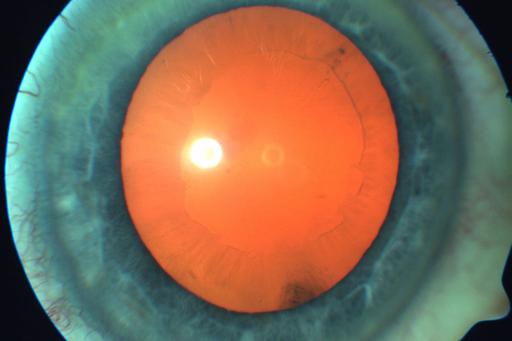
Exfoliations were first described in 1917 by Dr. Lindberg in Finland. Glaucoma is linked to the accumulation of exfoliation material in the trabecular meshwork, which can lead to increased intraocular pressure. The exfoliation material consists of proteins. It is still unclear where exfoliations originally come from; some researchers believe that they originate from the iris, others from the lens or ciliary body. Exfoliations have also been isolated in other organs, such as blood vessels, kidneys and liver. Therefore, the term “exfoliation syndrome” is often used today instead of considering exfoliation solely as an eye disease.
Research on genetics in exfoliation
The cause of exfoliation is still unknown. However, research has long shown that specific genes play a significant role, with the LOXL1 gene being identified as strongly associated with exfoliations in European studies. There are indications that other genes may be essential in different population groups. The research group is investigating how genetic factors influence the development of exfoliations and was the first to publish an article on the association between LOXL1 and exfoliative glaucoma in a Swedish population from Western Sweden. It is also known that patients with exfoliations are at an increased risk of developing inflammation after various medical procedures, suggesting a connection between exfoliations and inflammatory processes. The research work also includes studies of how genes, inflammation and exfoliations interact.
Research on glaucoma laser treatment
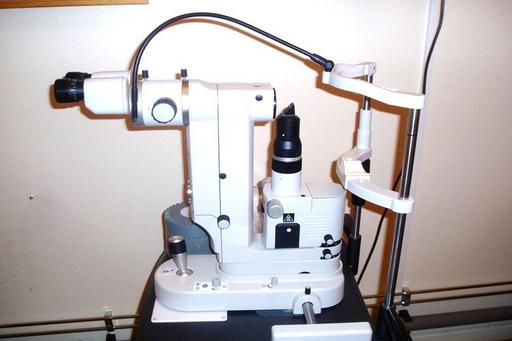
Glaucoma is a chronic disease that cannot be cured, but the progression of the disease can be slowed. Currently, lowering intraocular pressure (IOP) is the only evidence-based treatment. Lowering IOP can be achieved with eye drops, laser or surgery. Eye drops have previously been the first choice, but the results of an extensive randomised study (LIGHT study) in the UK have shown that laser treatment should be considered as the first choice. Selective Laser Trabeculoplasty (SLT) is the laser treatment in question. The research group is investigating various parameters and complications of SLT. A published study from the group shows that treatment with SLT in 360 degrees and high energy is the best choice for treatment. This study has received international attention. Other laser treatments, such as micropulse lasers, are also being evaluated within the research group. It may also be relevant for future projects concerning surgical treatments for glaucoma.
Research on diabetes
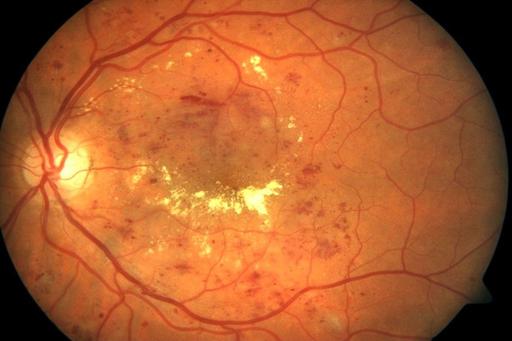
Diabetes is a metabolic disease that affects a significant portion of the population. Some patients develop eye complications, especially in the retina, which can result in vision loss or blindness. Early detection and treatment of these changes can help maintain visual acuity for a long time. Previously, laser treatment was most common, but in recent years, drugs injected into the vitreous body have also begun to be used to slow the disease. An epidemiological study within our research group is based on a large patient cohort from the West Region (Skaraborg) that was followed for 24 years. The study shows that serious eye complications were uncommon among patients with type 2 diabetes.
Group members
- Marcelo Ayala, Principal Investigator, Adjunct Senior Lecturer
- Ryan Potter, Doctoral Student
- Tobias Dahlgren, Doctoral Student
- Grete Garberg, Doctoral Student