Anna Björk: Neurodevelopmental disorders common in severe obesity in children
Children and adolescents with severe obesity often have neurodevelopmental disorders. Anna Björk’s thesis shows that this may influence long-term treatment outcomes after gastric bypass surgery.

ANNA BJÖRK
Dissertation defense: 29 May 2026 (click for details)
Doktorsavhandling: Neurodevelopmental disorders in children and adolescents with obesity - prevalence in clinical settings and implications for adolescent bariatric surgery
Research area: Pediatrics
Sahlgrenska Academy, The Institute of Clinical Sciences
Treatment of obesity in children and adolescents is primarily based on lifestyle interventions, but pharmacological treatment has also been introduced in recent years.
However, in cases of severe obesity, gastric bypass surgery may be considered from the age of 15. The procedure often results in sustained weight loss and improved quality of life.
“Neurodevelopmental disorders are common among children and adolescents with severe obesity. In the AMOS surgical study, one third of the participants had a neurodevelopmental diagnosis. ADHD was the most common and was present in one in four patients who underwent surgery,” says Anna Björk, resident in general practice at Närhälsan Krokslätt Primary Care Center and doctoral student at the Institute of Clinical Sciences.
When also including those who screened positive in various questionnaires, between 30 and 50 percent of young people with severe obesity had symptoms or a diagnosis of a neurodevelopmental disorder across the three cohorts studied.

Increased risk of mental health problems
The thesis shows that mental health problems are more common after surgery among adolescents with signs of ADHD.
“Symptoms of anxiety, depression, and binge eating were more common ten years after surgery among those with an ADHD diagnosis or who screened positive for ADHD, compared with those without signs of ADHD, even though the groups did not differ before surgery.”
Anna Björk’s research also shows that other risks are more common after surgery.
“Alcohol and substance use disorders were more common after gastric bypass compared with those who received non-surgical obesity treatment. Among those who underwent surgery, substance use disorders and self-harm were even more common in individuals with an ADHD diagnosis.”
May influence how care is designed
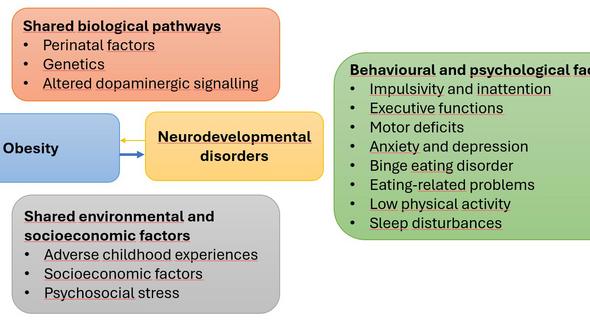
The results suggest that greater consideration should be given to neurodevelopmental disorders when treating obesity.
“This may have implications for how treatment is designed and supports increased collaboration between child and adolescent psychiatry and pediatrics. It also highlights the need for long-term follow-up after surgery, including mental health monitoring.”
What have been the most rewarding and the most challenging aspects of your doctoral project?
“The most rewarding part has been working on a clinically grounded project with close collaboration between different professions and specialists, such as pediatric endocrinologists, psychiatrists, and surgeons,” says Anna Björk, continuing:
“Both obesity and neurodevelopmental disorders are complex conditions with links to other psychiatric disorders, somatic diseases, and social factors. This makes the results challenging to interpret, but at the same time, the complexity is what makes the topic particularly interesting.”
Text: Jakob Lundberg