
Record-breaking year for the Skagerak Facility
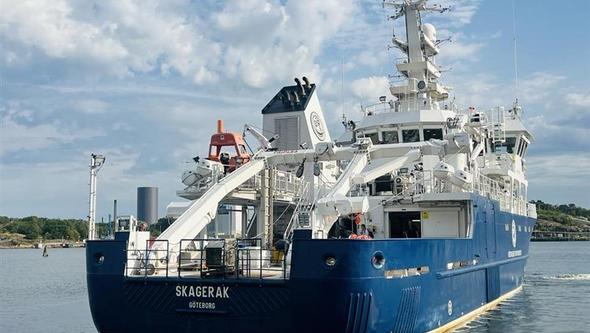
With more expeditions than ever before, 2025 is shaping up to be a record year for the marine infrastructure Skagerak Facility. The research vessel R/V Skagerak has supported studies ranging from the deep waters of the Faroe–Shetland Channel to collaborations in the North Sea.
During 2025, the Skagerak Facility will carry out 24 missions, including research expeditions, university courses and commercial projects. This represents a 50 percent increase in activity compared to the previous year.
The growing demand highlights the vessel’s role as both a national and international platform for marine research, offering unique opportunities for a wide range of disciplines and users.
“A record number of researchers using the research vessel Skagerak shows just how vital this resource has become for marine science,”
says Louise Newman, Director of the Skagerak Facility.
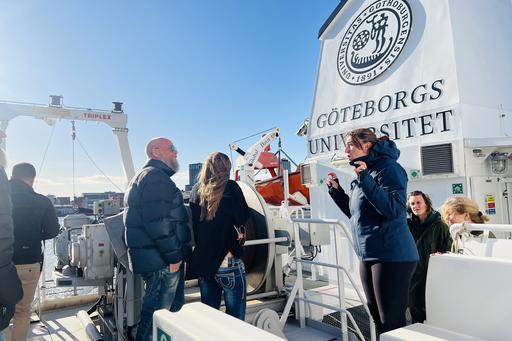
A research platform in high demand
Throughout the year, R/V Skagerak has taken part in several major research missions – including an expedition in the Faroe–Shetland Channel, a joint voyage with the Indian National Centre for Polar and Ocean Research (NCPOR), and an Early Career Researchers (ECR) training programme in collaboration with the Swedish Polar Research Secretariat and the British Antarctic Survey (BAS).
Together, these represent only a selection of this year’s expeditions, reflecting the growing importance of Skagerak Facility as a platform for international collaboration and marine research.
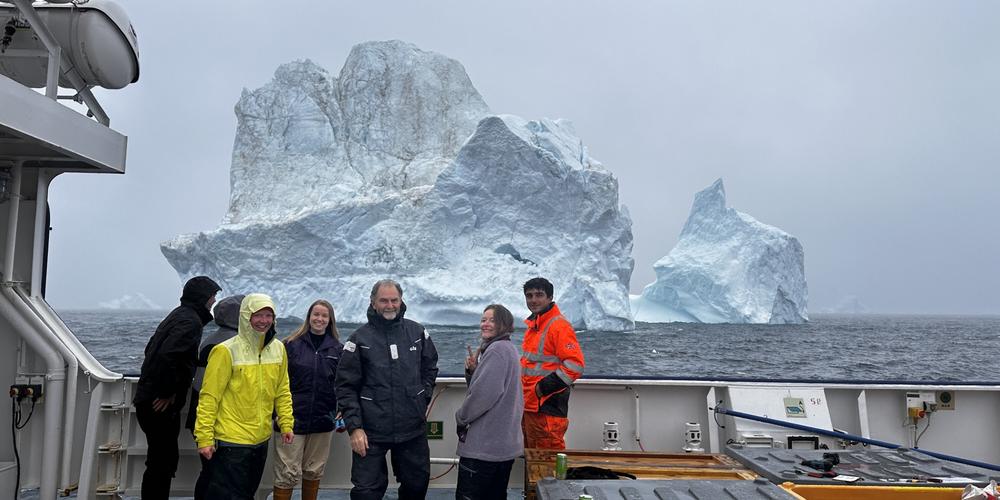
“We’ve had many exciting expeditions with internal researchers as well as a number of shorter cruises with external users. Some of these trips are the result of several years of work and planning, while others have come together at short notice,”
says Niklas Andersson, Project manager at Skagerak Facility.
The high level of activity requires careful coordination, especially during the summer months.
“The schedule is quite tight in summer,” Andersson explains. “The hardest part is making sure each expedition gets the number of days it needs. We can’t reserve too many extra days for bad weather when the next voyage is already waiting to depart.”

To manage the workload, Skagerak Facility now makes full use of the digital planning tool Marine Facilities Planning (MFP).
“We’ve used the system since 2023, and now both researchers and crew are comfortable working with it. It really makes planning both simpler and more efficient,”
says Niklas Andersson.
“More data, more collaboration, and a deeper understanding of our seas”
Despite occasional weather and technical challenges, operations run smoothly thanks to an experienced crew and well-established routines.
“Each expedition means more data, more collaboration, and a deeper understanding of our changing seas,”
says Louise Newman.
“That’s precisely what makes Skagerak Facility such an important resource for marine science — not only in Sweden, but internationally.”
Text: Agnes Faxén


