
New initiative aims to boost Swedish oyster farming
Sweden imports the vast majority of the oysters it consumes, despite favourable conditions for domestic production. A new research project at the University of Gothenburg, aims to change this by building a sustainable Swedish oyster industry – from hatchery to market.
The project has been awarded nearly SEK 30 million by the research funding body Formas and will address the entire oyster value chain in Sweden. Currently, domestic production amounts to just nine tonnes per year, while imports exceed 300 tonnes.
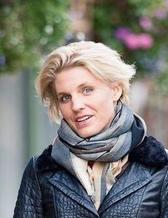
“Sweden has all the prerequisites to develop a strong and sustainable oyster industry, but we currently lack a reliable supply of spat and a well-functioning value chain,” says Alyssa Joyce, researcher at the Department of Conservation at the University of Gothenburg.
Oysters are widely recognised as a climate-smart source of protein. They require no feed, improve water quality by filtering seawater, and create habitats that support marine biodiversity. As a nutrient-dense and low-impact food source, they offer significant environmental and economic potential.
“By building up local production, we can reduce import dependency while strengthening marine ecosystems,” says Alyssa Joyce. “This is not just about oysters – it is about building a new foundation for how we produce food from the ocean. By combining science, industry and policy, we can create a resilient sector that supports coastal communities while actively restoring marine ecosystems.”
By developing domestic hatchery capacity, strengthening the value chain and enabling large-scale restoration of oyster reefs, the programme aims to position Sweden as a Nordic leader in sustainable seafood production.
Building the full value chain
The project takes a comprehensive approach to the oyster sector, covering everything from spat production to finished products. By developing methods for hatchery production and cultivation, the project aims to ensure a stable supply of oyster spat for both aquaculture and the restoration of natural populations.
Different farming systems will be tested along Sweden’s west coast to identify efficient and climate-resilient methods.
“We are not just developing technology, but an entire system that enables sustainable scaling of production,” says Christian Vorbeck, Head of Ostrea Sverige AB.
The project also includes analyses of business models, market potential and regulatory frameworks, with the aim of lowering barriers for new actors in the sector.
The initiative brings together the University of Gothenburg, IVL Swedish Environmental Research Institute, the Swedish University of Agricultural Sciences (SLU), the County Administrative Board of Västra Götaland, the Municipality of Strömstad and aquaculture companies.
“This is an opportunity to develop a new industry that creates jobs in coastal communities while contributing to healthier seas,” says Pierre Ingmarsson of IVL.

Supporting biodiversity
Oysters have historically played an important role along the Bohuslän coast. The native European flat oyster (Ostrea edulis) has been harvested here for centuries, and oyster beds were once considered valuable property. However, overharvesting, disease and environmental changes led to a decline in natural stocks, and the industry never transitioned into modern, large-scale aquaculture. Today, this legacy remains visible in fragmented and degraded reefs.
A key component of the initiative is the restoration of oyster reefs along the Swedish west coast, where oysters were once widespread but have largely disappeared.
“Oyster reefs provide habitat for many species and contribute to increased biodiversity. To enable large-scale restoration, collaboration between industry, academia and public authorities is essential,” says Åsa Strand of the County Administrative Board of Västra Götaland, a partner in the project.
The project will also identify suitable sites for restoration in collaboration with municipalities and public authorities.
Text: Karl-Johan Nylén
Title: Swedish oyster hatchery and grow-out program
Project leader: Alyssa Joyce, University of Gothenburg
Period: 2026–2031
Funding: Approximately SEK 30 million from Formas
Partners: University of Gothenburg, IVL Swedish Environmental Research Institute, Swedish University of Agricultural Sciences (SLU), County Administrative Board of Västra Götaland, Municipality of Strömstad, Ostrea Aquaculture, Klövedal Marine Innovation and Service

