
Daniel Cunha Byström Defended His PhD in Economics
On 5 June, Daniel Cunha Byström successfully defended his doctoral dissertation in economics, In the Path of Crime: Schools, Neighborhoods, and Firms.
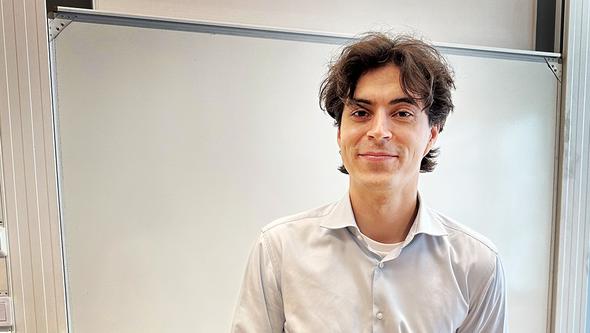
On 5 June, Daniel Cunha Byström successfully defended his doctoral dissertation in economics, In the Path of Crime: Schools, Neighborhoods, and Firms.
The opponent was Professor Giovanni Mastrobuoni from the University of Turin. The examination committee consisted of Professor Emily Owens from the University of California, Associate Professor Arizo Karimi from Uppsala University, and Associate Professor Dawei Fang from the School of Business, Economics and Law, University of Gothenburg. The chair of the defence was Professor Randi Hjalmarsson from the School of Business, Economics and Law, University of Gothenburg.
The dissertation examines how crime affects individuals, neighbourhoods, and the labour market. Through three studies, it explores how gangs recruit new members, how incarceration influences crime in local communities, and how local violence affects firms’ hiring decisions.
Chapter 1: Gang Recruitment Through Family and Friends
This study shows that young people who are exposed to schoolmates with family ties to gangs are more likely to become gang members themselves. The findings suggest that gangs expand through recruitment via family and friendship networks.
Chapter 2: The Effects of Incarceration on Neighbourhood Crime
This study investigates how increased incarceration affects crime among people who remain in the neighbourhood. The results show modest reductions in crime among older men with prior criminal records, but increases among younger men with no previous criminal history.
Chapter 3: Local Violence and Firms’ Hiring Practices
This study examines how firms respond to nearby shootings. Firms exposed to local violence become significantly more likely to require criminal background checks during recruitment, particularly in occupations where criminal records are more common among workers.