
Ramana Piussi’s Thesis Offers New Insights into Psychological Factors After ACL Reconstruction
Five questions for Ramana Piussi, recipient of the 2024 Thesis of the Year Award at the Institute of Neuroscience and Physiology.
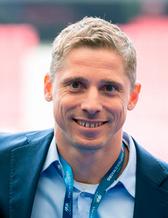
Congratulations on the award, Ramana!
What is your award-winning dissertation about?
"My dissertation focuses on psychological outcomes during rehabilitation after anterior cruciate ligament (ACL) reconstruction. In particular, I examined how self-reported psychological factors—such as knee related self-efficacy—are related to the risk of sustaining a second ACL injury."
"The thesis also includes physiotherapists’ experiences of managing psychological aspects in rehabilitation, as well as young women’s stories after suffering two ACL injuries."
What are the main findings of your thesis?
"It shows that patients who sustain a second ACL injury scored higher on psychological questionnaires before suffering the second ACL injury. The results also indicate that common psychological self-report measures are not sufficiently accurate in predicting which patients are at higher risk of a second ACL injury. This highlights the need for caution when interpreting such measures in clinical settings and underscores the importance of combining psychological and physical factors in return-to-sport decisions."
"The thesis also reveals that physiotherapists lack formal training in addressing psychological aspects of rehabilitation, despite recognizing this as an important part of their work."
Do you think your research could influence clinical practice or rehabilitation going forward?
"Yes, I believe the research contributes to a more nuanced understanding of return to activity after ACL injury. By combining patient-reported measures, functional tests, and qualitative interviews, a more complete picture of the patient’s recovery can be obtained, leading to better clinical decisions."
What sparked your interest in ACL injuries in particular?
"I have always been active in sports and know that ACL injuries are a major challenge in sports. They prevent many athletes from returning to their sport at the same level."
"I also became particularly interested in the psychological dimension of ACL injuries when I began working at a clinic that treated many such cases. I found that the available knowledge was limited, which motivated me to contribute to improving understanding and care for these patients."
What’s next? Will you continue researching in this field?
"Yes, I will continue to delve deeper into ACL-related research, with a particular focus on psychological factors and return to sport. I’m also interested in developing better methods to identify patients at risk of a second injury, and in exploring how AI can support clinical decision-making in rehabilitation."
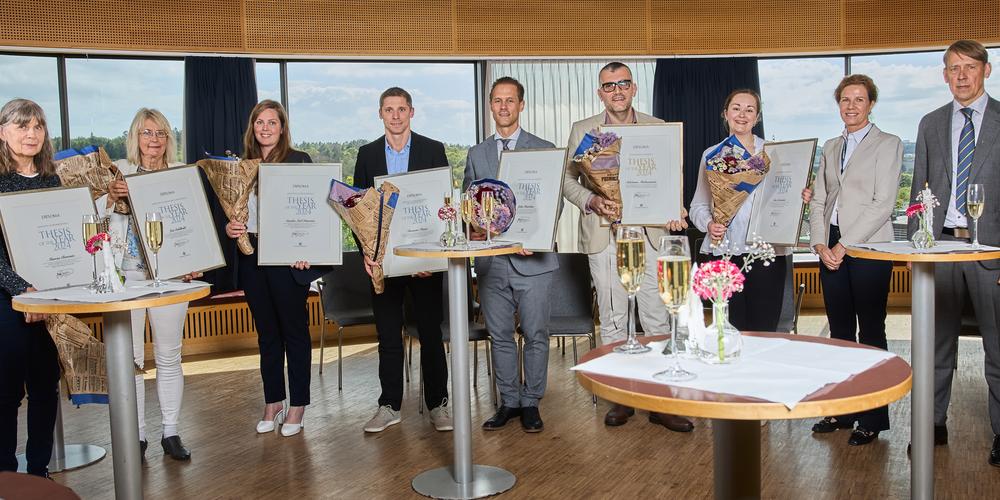
Ramana Piussi remains active in research at the University of Gothenburg. He is affiliated with a research group led by Professor Kristian Samuelsson and Associate Professor Eric Hamrin Senorski. The group conducts both quantitative and qualitative research on orthopedic injuries and rehabilitation, with a particular focus on ACL injuries.