
M. Hadi Fazeli: The Boundaries of Blameworthiness
Dissertation for Ph.D. in Practical Philosophy at the Faculty of Humanities, Department of Philosophy, Linguistics and Theory of Science. You can follow via Zoom if you wish. Welcome!
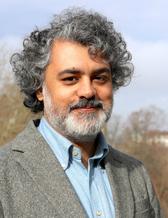
Respondent:
M Hadi Fazeli, Göteborgs universitet
Thesis titel:
The Boundaries of Blameworthiness
Examining committee:
Docent Vuko Andric, Linköpings universitet
Professor Lina Eriksson, Göteborgs universitet
Assistant Professor Benjamin Matheson, Universität Bern
Substitute if member in the committee will be missing:
Docent Lena Eriksson, Göteborgs universitet
Opponent:
Associate Professor Hannah Tierney, University of California, Davis
Chair:
Professor Ragnar Francén, Göteborgs universitet
Abstract
This thesis addresses two questions: how does moral blameworthiness change over time, and can it persist beyond death? I defend three claims.
First, blameworthiness can diminish and cease entirely during a wrongdoer’s lifetime when they receive the harm they deserve. Second, when they do not, it extends beyond the grave. Third, even after death, blameworthiness can still diminish and potentially be erased. I argue that existing accounts of how blameworthiness can or cannot change over time fall into two unsatisfactory camps. Some hold that blameworthiness lasts forever (grounded in unchanging facts about the past), and therefore, fail to explain how it ever ends.
Others allow that blameworthiness can diminish and cease during life
but struggle with posthumous blameworthiness, because they tie it to features that require a living, conscious agent (such as character flaws, deserved guilt, reparative duties). I develop an alternative account, the Moral Harm Account, which grounds blameworthiness in desert of morally relevant harm. On this view, a person is blameworthy when they deserve to be harmed (where harm is understood broadly so that it includes the setback of interests).
Blameworthiness diminishes as the wrongdoer receives deserved harm. In order to accommodate posthumous blameworthiness, I argue that people can be harmed after their biological death because they continue to exist as Human Subjects: bearers of interests and biographical properties that persist beyond the grave. This allows the dead to remain blameworthy when they still deserve harm, and for their blameworthiness to diminish as posthumous harms are inflicted on them. This account preserves the intuition that while some of the dead can remain blameworthy over time, others can cease to be.