- Home
- School of Excellence in Artic and Antarctic Learning, SEAL
- PhD students and projects
PhD students and projects
Meet the SEAL graduate students and learn about their research projects.
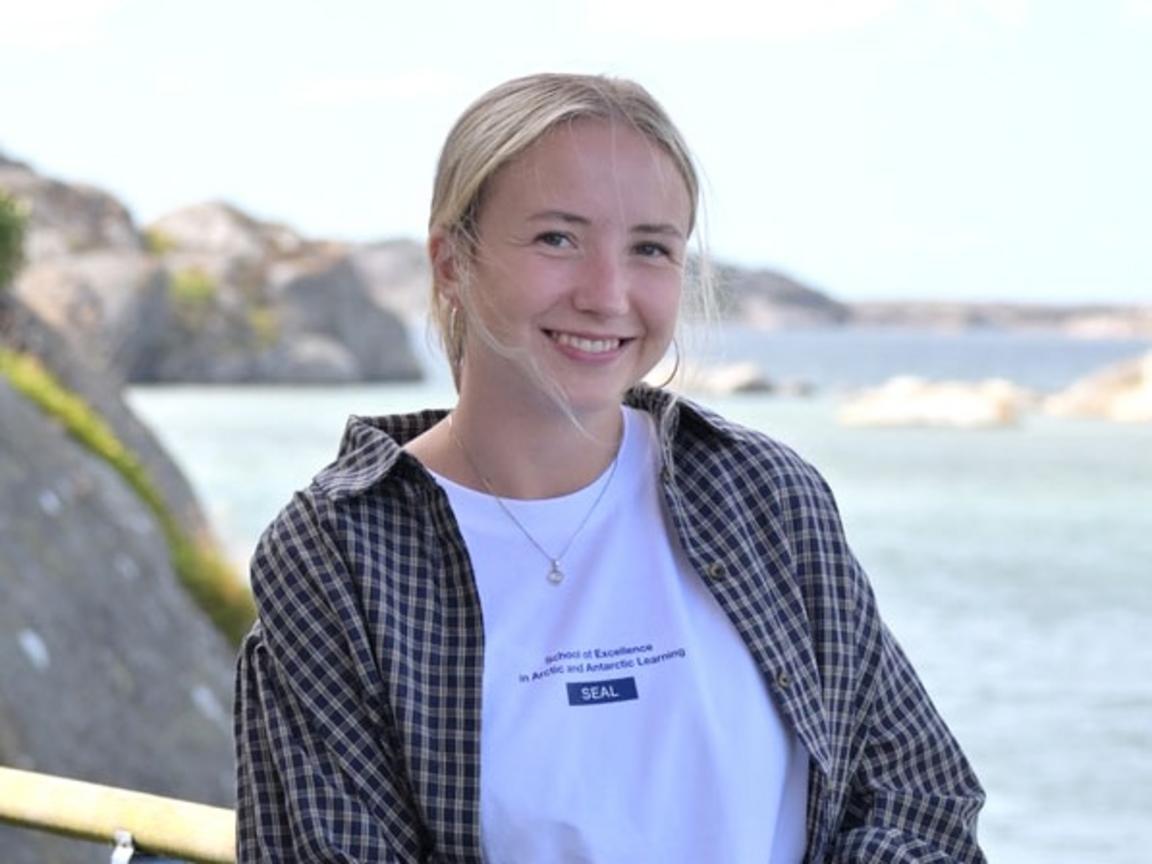
I am a PhD student a Chalmers University of Technology at the Department of Environmental and Energy Sciences, division of Geoscience and Remote Sensing. The subject of my PhD is remote sensing of sea ice, and the title is “Sea ice dynamics and its driving forces”.
What do you study?
My research investigates how sea ice drifts, deforms, and breaks up in response to wind, waves, and ocean surface currents. The main question is how spaceborne Synthetic Aperture Radar (SAR) can be used to accurately measure sea ice drift and deformation, and how these observations can improve our understanding and modelling of sea ice dynamics at finer spatial scales
How do you study this?
I will mainly use SAR remote sensing, to observe sea ice drift and deformation. The satellite observations will be complimented and validated using buoy data collected during expeditions and field work.
Why does your research matter?
My research can help us better understand sea ice dynamics and how the polar ice cover is changing. Improved observations of sea ice can contribute to better weather and climate models and help us understand interactions between the ocean, atmosphere, and ice. It can also provide valuable information for activities in polar regions, where accurate knowledge of sea ice conditions is important for safety and planning, while helping to reduce fuel consumption and emissions.
Being part of SEAL, what do you look forward to?
I look forward to being part of the SEAL community and getting to know people who share an interest in the polar regions, despite working across different disciplines. We all come from different backgrounds and bring different perspectives, which creates a great opportunity to learn from one another and exchange ideas. Since we have all recently started our PhD studies, having this sense of community from the beginning is especially valuable. I look forward to the collaboration, support, and exchange of ideas throughout our PhD studies and beyond.
Keywords
- Sea ice
- Synthetic aperture radar
- Earth observation
- Climate prediction
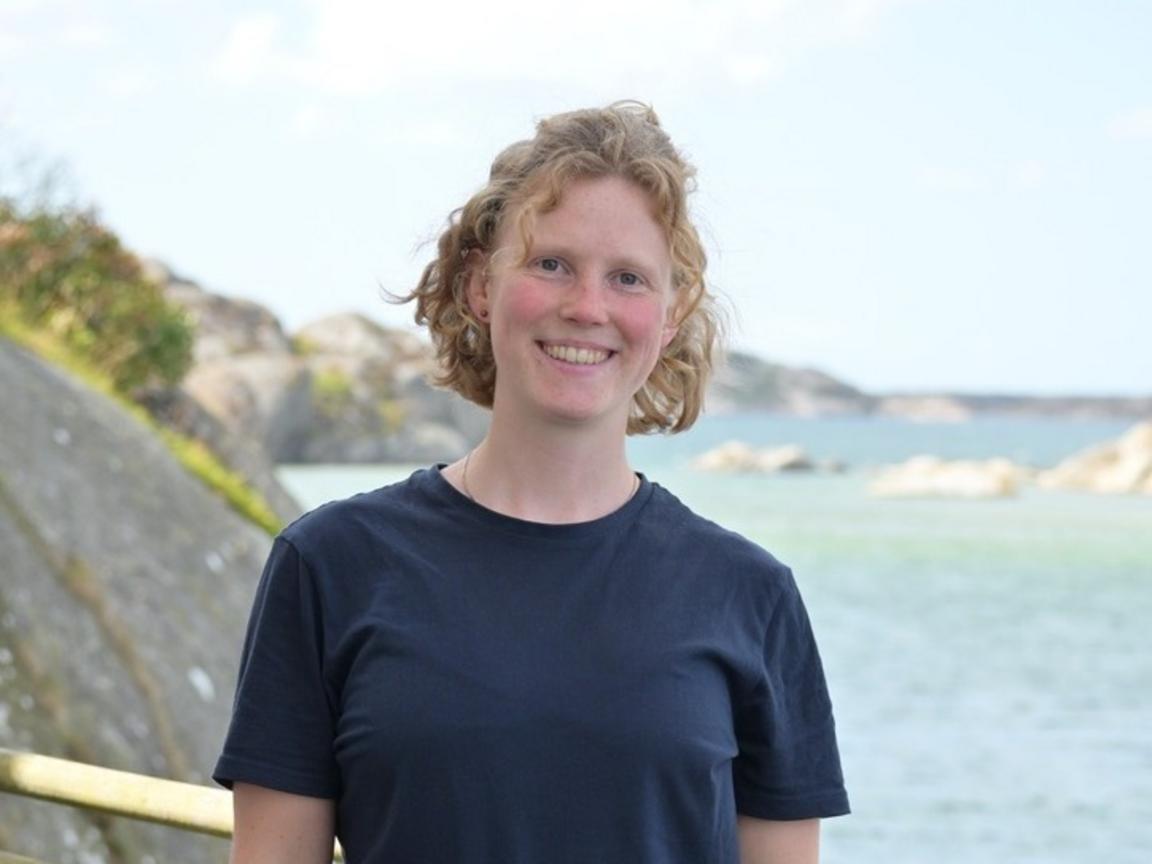
Hej, I'm Pia! I grew up in Germany and studied Marine Sciences. I do my PhD at the Marine Department at the University of Gothenburg, where I investigate physical processes at the boundary layer between ice shelves and the ocean.
Why polar research?
I am fascinated by polar regions because here nature can unfold with only very little direct human influence. I like the stunning vastness and remoteness, especially of Antarctica. It always makes me feel humble. Compared to other areas of the Earth, we don’t know much about polar regions yet, even though they play a central role in the Earth’s climate system. There’s still a lot to explore here, and I’m curious to find out what else we can learn about them.
What do you study?
My research is about observations from the underside of ice shelves, which are extensions of glaciers floating on the ocean. Ice shelves show different structures, such as round indentations or ripples, like the pattern we sometimes find on beaches. I want to find out how these structures form, how they influence the ocean below, and what impact they have on further melting or freezing.
How do you study it?
I use data from an underwater robot that can access the ice-covered ocean. The data give information about properties of the water, such as temperature and salinity, but also the structure of the ice underside. Additionally, I will conduct experiments in an ice laboratory and use high-resolution numerical modelling to recreate observations from the field and test my hypotheses.
Why does your research matter?
Only few observations are available from the ocean below ice shelves, and little is known about the processes that control melting and freezing here. In ocean models, the boundary layer between ice and ocean is not well represented, which leads to great uncertainties in predictions for future changes in the ocean. With my project, I will try to gain a better understanding of boundary layer processes, which can help with model optimization. I primarily work with data from Antarctic ice shelves, but fundamental findings can easily be applied to arctic regions as well.
Keywords
- Ice shelf–ocean interaction
- Boundary layer processes
- Autonomous underwater vehicle
- Ice laboratory
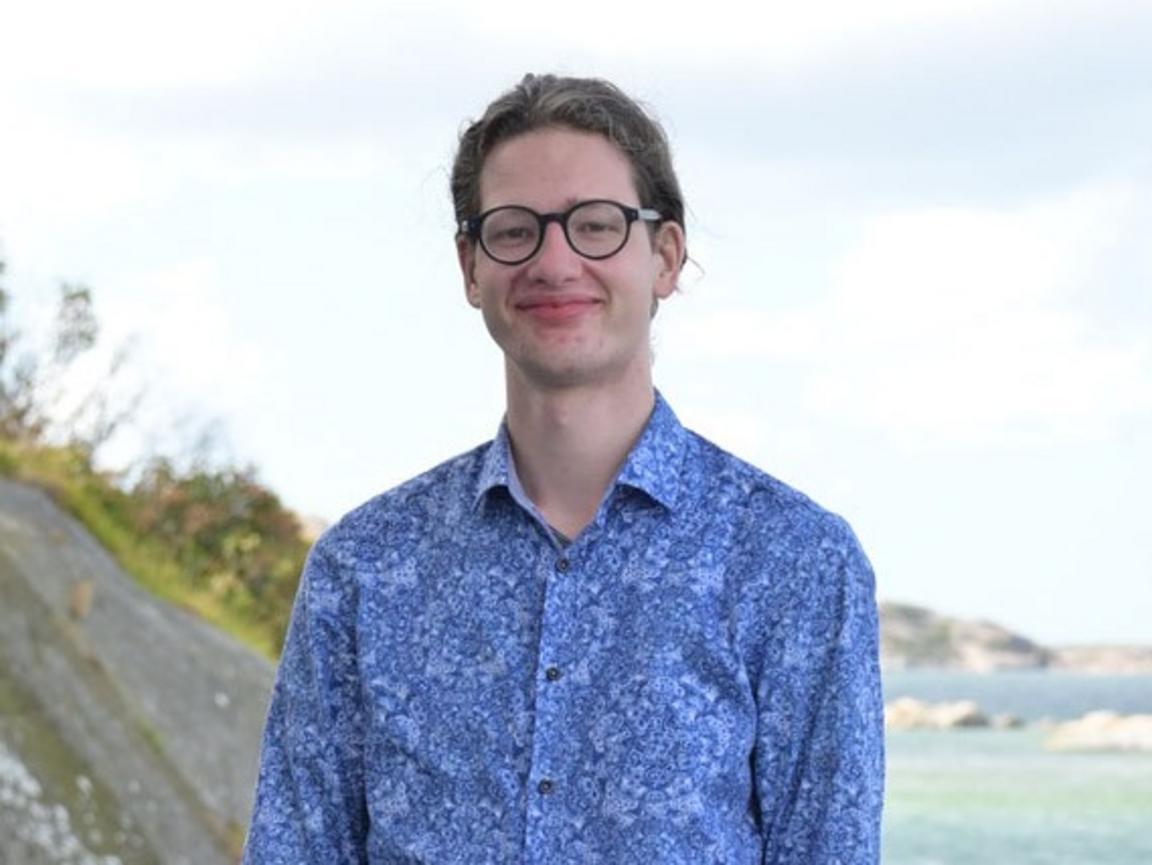
I am Thorsten, a PhD student at the Department of History and Philosophy at the Royal Institute of Technology in Stockholm. I am originally from the Netherlands and I do my PhD in the history of polar geopolitics.
Tell us about your research!
My research concerns the politics involving fisheries in the Southern Ocean. Under the regime of CCAMLR, the fisheries of the Southern Ocean are strictly regulated. However, in recent years, more and more international disagreements have surfaced concerning the setting of these quotas. My research aims to dive deeper into the fishery politics around Antarctica.
How do you study this?
My research methods are not set in stone but will pertain to historical research of archival materials as well as potential interviews and fieldwork concerning the negotiation processes.
What interests you about polar research?
From a scientific perspective, the Southern Ocean has seen little research from a social science angle. Yet, the ocean fulfills a crucial component in global fishery industries. In addition, the CCAMLR regime protects the Antarctic environment, while facing numerous challenges. If we are to continue the protection of the Southern Ocean, it is important to know more about the motivations of the different actors.
Why does your research matter?
From a scientific perspective, the Southern Ocean has seen little research from a social science angle. Yet, the ocean fulfills a crucial component in global fishery industries. In addition, the CCAMLR regime protects the Antarctic environment, while facing numerous challenges. If we are to continue the protection of the Southern Ocean, it is important to know more about the motivations of the different actors.
Being part of SEAL, what are you looking forward to?
I am really looking forward to the fieldwork courses. Form a social science background, I am usually working from behind a desk. SEAL meanwhile provides the opportunity to go into the field and experience how other scientists conduct their work. In addition, I really care about the collaboration between different disciplines, as it is ultimately the way forward for Polar sciences.
Keywords
- Polar geopolitics
- Polar history
- Southern Ocean
- Fisheries
- International Relations
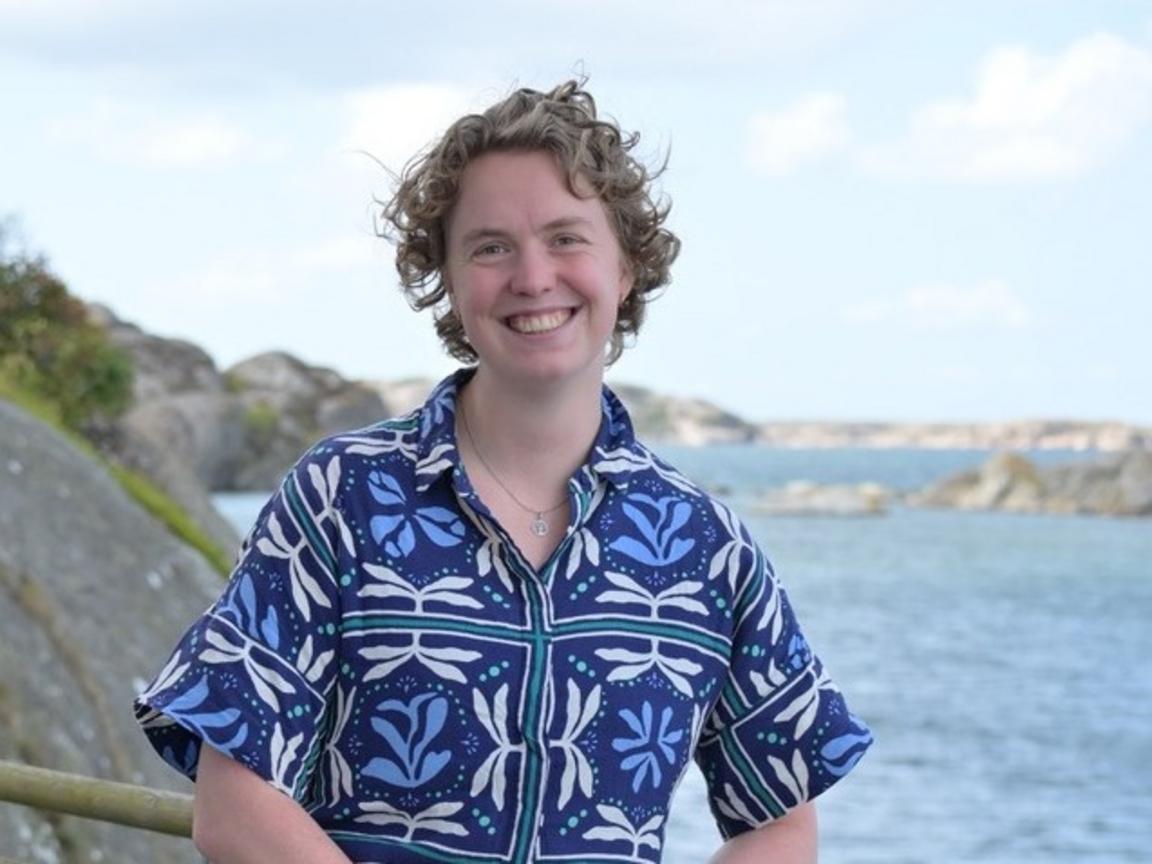
My name is Ida Haven. I’m from the Netherlands, and I am doing a PhD at the University of Gothenburg in the Department of Earth Sciences. My PhD, Attributing Summer Arctic Polynyas (ASAP), is about using satellite measurements to investigate holes in the sea ice, called polynyas, in the summer in the Arctic. Besides being part of SEAL, I am also part of the Swedish Space Research School doctoral training school (SRSS-DTS) and my PhD is also funded through the SRSS-DTS by the Swedish National Space Agency / Rymdstyrelsen.
What do you study?
Polynyas have a big effect on the Arctic, as the sea ice acts as a buffer between the ”warm” sea and the ”cold” atmosphere, and in these polynyas the sea gets directly exposed to the atmosphere, affecting both the ocean and atmosphere. The time, size, location and duration of these polynyas can vary a lot. In my research, I will investigate what conditions cause these polynyas to appear and then try to be able to predict when and where they will appear.
Why is this research important?
What can your research help us understand, and why is this important from a scientific and societal perspective?
With this research, I’m hoping to gain a better understanding of the conditions causing polynyas to form and predict how this might change with climate change and therefore also the changes occurring in the Arctic. Furthermore, the prediction of polynyas offers possibilities for transport and safety logistics in the Arctic.
What methods do you use?
I will use satellite measurements to locate where summer polynyas have been in the past. I will combine this with climate data on the conditions in the Arctic and at the location of these polynyas. Furthermore, I will use data collected during the MOSAIC research cruise in 2020/2021 and do some modelling to better understand the processes occurring in and around these polynyas.
What motivates you about working with the polar regions?
I am fascinated by the physics of the climate system and really enjoy understanding why nature and the things around us work the way they work. The poles both play such an important role in this system that they are key to understanding the rest of the climate system. At the same time, they are also the areas that are changing the fastest due to climate change. Having spent nearly a year living in Svalbard, I got the chance to experience this firsthand, motivating me to go into polar research and try to better understand and protect this place.
Why SEAL?
I’m super excited to be collaborating with these like-minded people throughout the PhD process and helping each other’s research. I’m also eager to go into the field with the graduate school and get to experience the processes we’re investigating firsthand. Lastly, I really appreciate the multidisciplinary character and also getting a broader, socio-economic perspective on the polar regions, including awareness and respect for Indigenous Peoples.
Keywords
- Polynya
- Arctic
- Remote Sensing
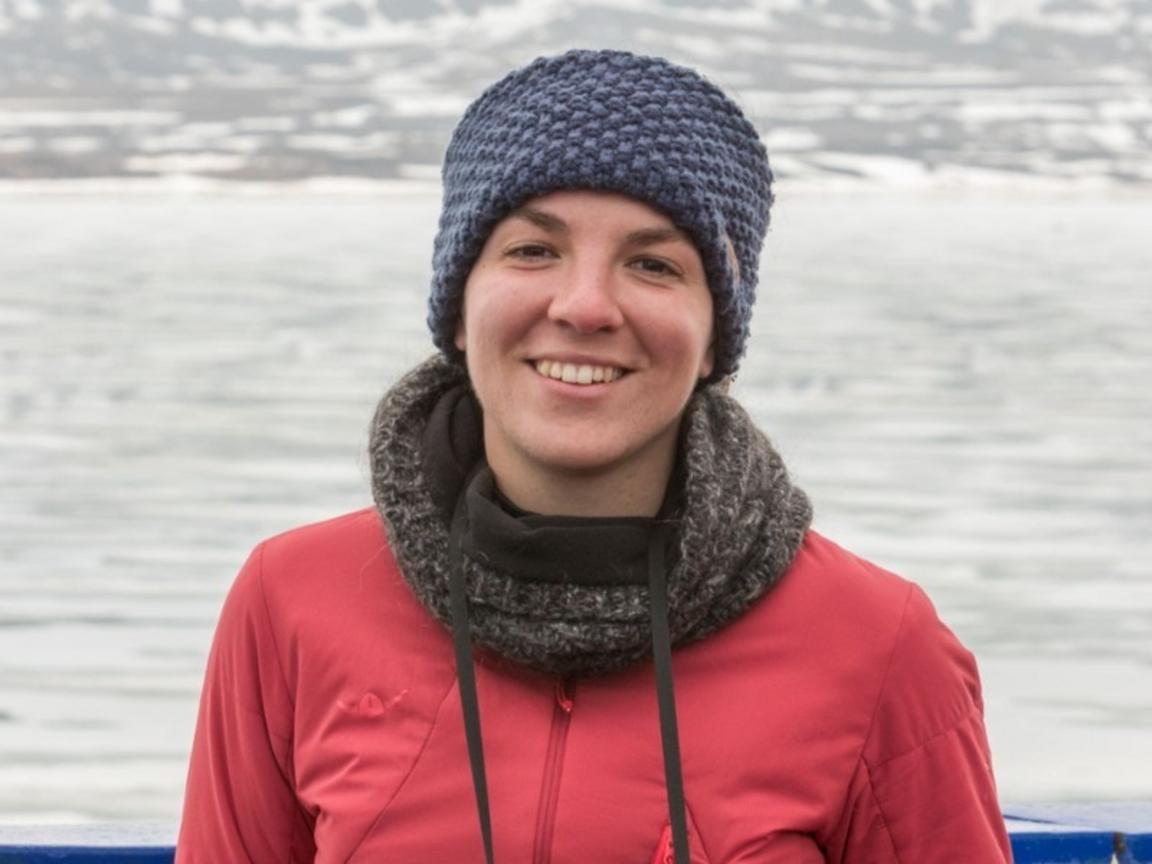
My name is Alice Furlotti and I am originally from Trento, Italy. I am currently based at the Department of Earth Sciences of Uppsala University. My PhD is in the field of Physical Geography and Glaciology. The project title is: “Estimating Greenland’s ice thickness using inverse ice-sheet modelling techniques and high-resolution satellite data”.
What is your research about?
As the Greenland Ice Sheet is losing mass, a precise quantification of present-day ice volume rooted in detailed information about the underlying subglacial topography and exact ice thickness is fundamental. During my project, I focus on unveiling Greenland’s ice thickness and bed topography, exploiting principles of ice-flow physics and high-resolution surface satellite data. Once this high-resolution bed topography map will be produced, it will be used in projections of future mass loss and Greenland’s contribution to global sea level rise up to 2300.
How do you study this?
To produce the subglacial topography map, I use novel inverse modelling techniques, combining classical approaches with emerging machine-learning methods.
Why does your research matter?
If the entire Greenland ice sheet were to melt, it would raise global sea level by approximately 7 m. Recent studies expect it to contribute up to 30 cm to global sea level by 2100 (Aschwanden et al. 2022), threatening the life of human societies and ecosystems living in coastal areas. Our goal is to provide a highly-detailed knowledge basis on this sea-level contribution, that could inform stakeholder’s climate action.
What motivates you to work with polar research?
I believe that one of the most valuable aspects of polar research lies in its capacity to connect exploration with logic, adventure with problem-solving, and intuition with experience. Arctic research enables my natural curiosity about complex systems to meet a personal taste for adventure in fascinating and remote areas.
What are you looking forward to as part of SEAL?
Glaciology is a multifaced subject that draws on multiple disciplines, such as physics, climatology, oceanography and computational science; I believe an integrated approach is essential to researchers seeking to work effectively in this area. I am looking forward to experience SEAL’s strong transdisciplinary orientation and to be part of an international PhD network.
Keywords
- Greenland
- Ice thickness
- Subglacial topography
- Inverse modelling
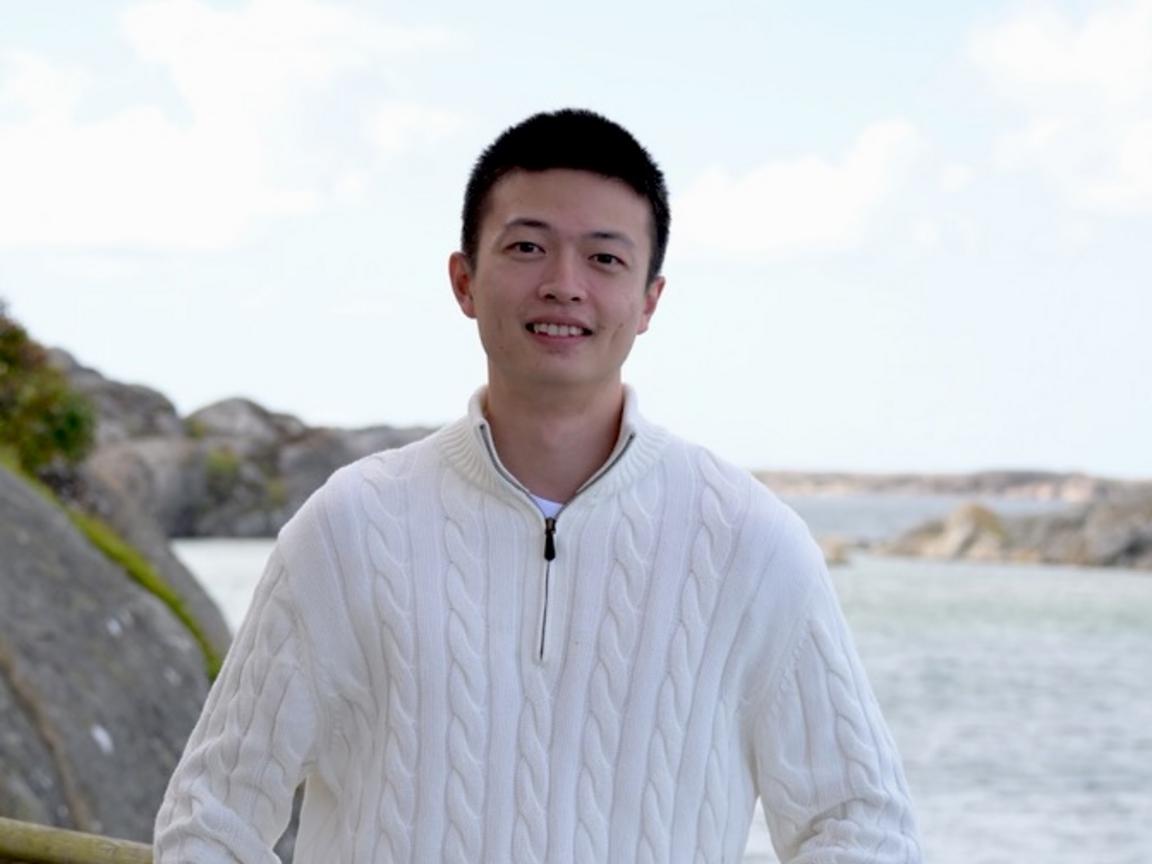
My name is Taoran. I am originally from China and am currently pursuing a PhD at the University of Gothenburg in the Department of Earth Sciences, majoring in Physical Geography.
What will you study?
Scandinavia used to be a place where wildfires were relatively rare, but we are now seeing more and more fires. I’m looking at why fires are becoming more common, and how this could affect vegetation and the wider Arctic ecosystem.
What methods will you use?
By looking at climate records preserved in tree rings and combining it with satellite images, I’ll explore what triggers wildfires and how vegetation recovers in the years that follow.
What impact could this research have on society?
With these findings, I hope to identify areas that are more vulnerable to wildfires. This could help protect biodiversity, support Indigenous communities and reindeer herding, and help land managers make more sustainable decisions about how the land is used.
Why is polar research interesting to you?
My interest started with a tiny Arctic shrub called polar willow during my master’s thesis. I was amazed by its size, which was so tiny that I needed a microscope to see its tree rings clearly. How could such a small “tree” have tree rings? That simple question sparked my curiosity and led me to choose polar willow as the focus of my thesis. Later, I came across many tiny but beautifully flowering plants from polar and alpine regions at a plant market in the Netherlands, and I was completely captivated by them. Since then, I have been drawn to these small but remarkably resilient plants and the fascinating environments they live in.
Being part of the SEAL polar research school, what are you looking forward to?
I’m especially looking forward to meeting other passionate PhD students and polar research experts, brainstorming, sharing ideas, and hearing about their experiences in the polar regions. I’m excited to be part of a community where we can learn from each other, exchange different perspectives, and support one another throughout our PhD journeys.
Keywords
- Wildfire
- Climate Change
- Arctic Vegetation
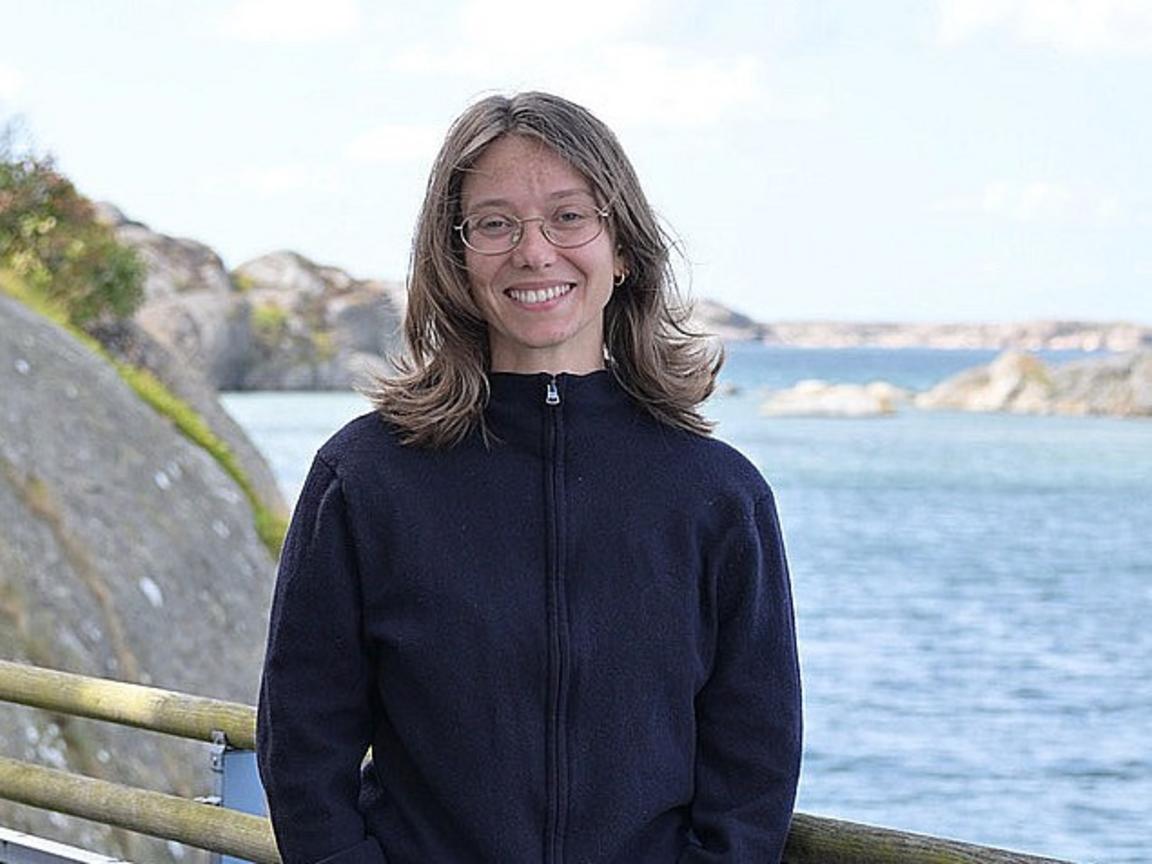
My name is Hedda Bothin Hanssen. I’m from Stockholm, Sweden, now living in Östersund and working at Mid Sweden University. I’m stationed at the department of Natural Science, Design, and Sustainable Development, and my PhD is in Ecotechnology and Environmental Science. My PhD is a part of a project called ALAMOT (Adapting LAw to MOving Targets): Climate Change, Overtourism and Biodiversity in Indigenous Arctic National Parks, where I look into climate change and biodiversity.
What is the main question you are investigating?
I’m studying how climate change and extreme weather events affect species and habitat types in the sub-Arctic, with a focus on Fennoscandia. From this, my team and I will draw connections to ecosystems and how it will affect biodiversity. Additionally, I will look at how environmental change affects aspects of traditional livelihoods practiced in the area.
What approaches do you use to study this?
I will use a combination of methods, starting with a systematic mapping to collect existing information combined with climate data, data analysis, and simulations. If possible, the methodology will also include fieldwork and interviews.
Why is your research important from a scientific and societal perspective?
There is currently a decrease in biodiversity, which in turn increases ecosystem vulnerability. Protected areas helps safeguard biodiversity but is facing challenges as the effects of climate change and extreme weather events are complex, non-linear, and severely lacking data. A better understanding of the effects from different drivers will help create more adaptive, robust and better prioritised management.
What interests you about polar research?
The nature within polar regions are unique and extremely beautiful. It’s a source for culture, inspiration, recreation, and adventure for many people. For me, the nature is something that should be experienced. Understanding what is going on and contributing to preserving nature for future generations motivates me to keep working.
What are you looking forward to as part of SEAL?
I’m looking forward to the fieldwork and the practical experiences that comes with the courses as well as a network of researcher with their own exciting projects. I am also looking forward to learning more about the global and local processes that influences our climate and, in an extent, society, where I hope to gain some new perspectives.
Keywords
- Climate change
- Extreme weather events
- Species, habitat types
- Traditional livelihoods
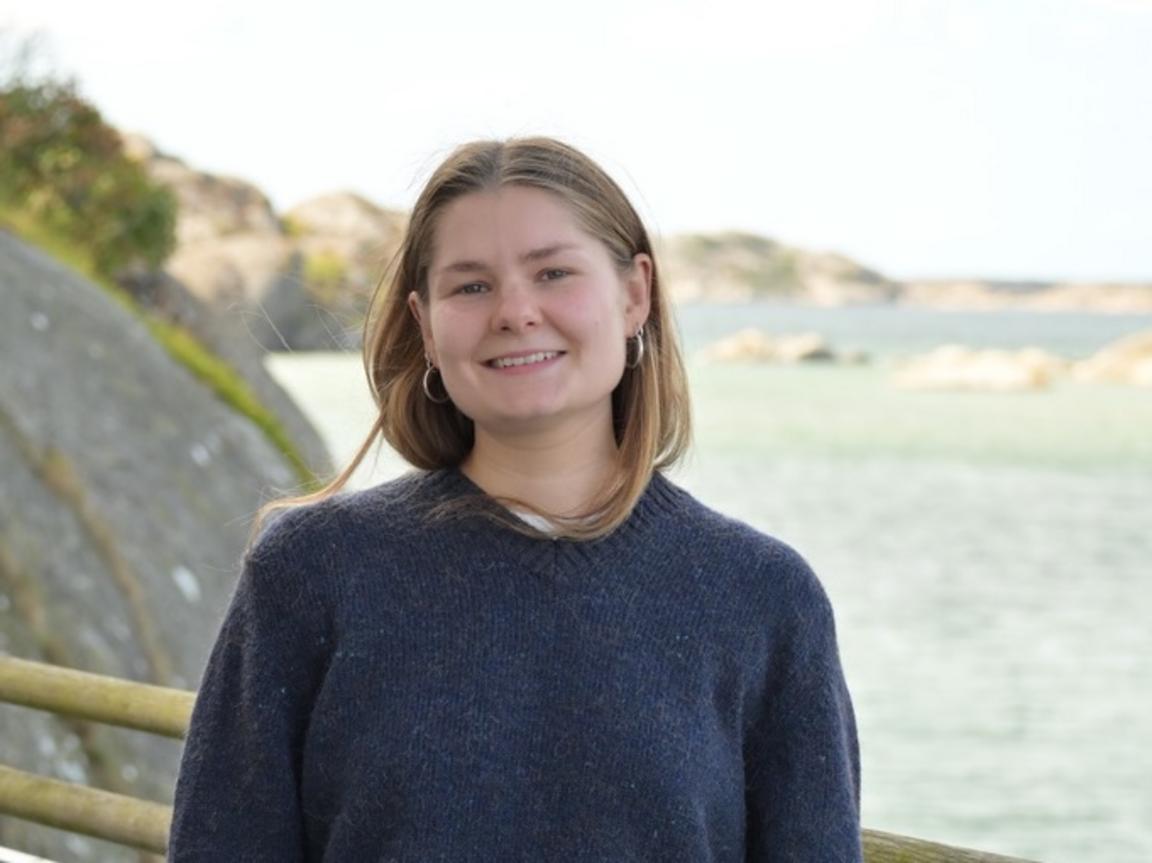
I am Fride Wilhelmsen Næss, and I’m from Norway! I’m doing my PhD at Stockholm University at the Department of Meteorology (MISU).
What is your research about?
The broad subject of my PhD project is polar clouds. More specifically I study them during Marine Cold-Air Outbreaks, which are intense air-mass transformations that occur when cold and dry air is transported from the sea ice and over the open ocean. During these outbreaks, specific cloud patterns form and I want to understand how, why and when these clouds form, and how they change in a warming world.
How do you study this?
I will be looking at clouds from an observational perspective and will mainly use a mix between satellite data and ground based meteorological observations. In the future I would like to incorporate modelling tools too.
Why is your research important to society?
Clouds are important climate regulators, either cooling by reflecting sunlight back to space or warming by trapping heat near the surface. Our understanding of cloud feedbacks, or how clouds respond to and influence global warming, is generally uncertain but especially in the polar regions. Understanding how polar clouds form and how they are changing can therefore help improve climate projections. Hopefully my research can be a contribution to this!
What motivates you to work with polar research?
The polar regions are quite unique in terms of climate and meteorology, and the rapid changes happening there make them both interesting and important to study. I’m also motivated by understanding polar climates and how they are connected to the Earth system, as what happens at the poles is also closely connected to lower latitudes.
Why SEAL?
I think the interdisciplinary approach of SEAL is very valuable and important, and I look forward to stepping outside of my natural science perspective on polar environments by learning more about the societal and ecological aspects. I also think that meeting other PhD students from different disciplines, but with a common ground in polar science, will lead to meaningful connections and discussions that will broaden my perspective.
Keywords
- Cloud feedbacks
- Remote sensing
- Marine cold-air outbreaks
- Arctic climate
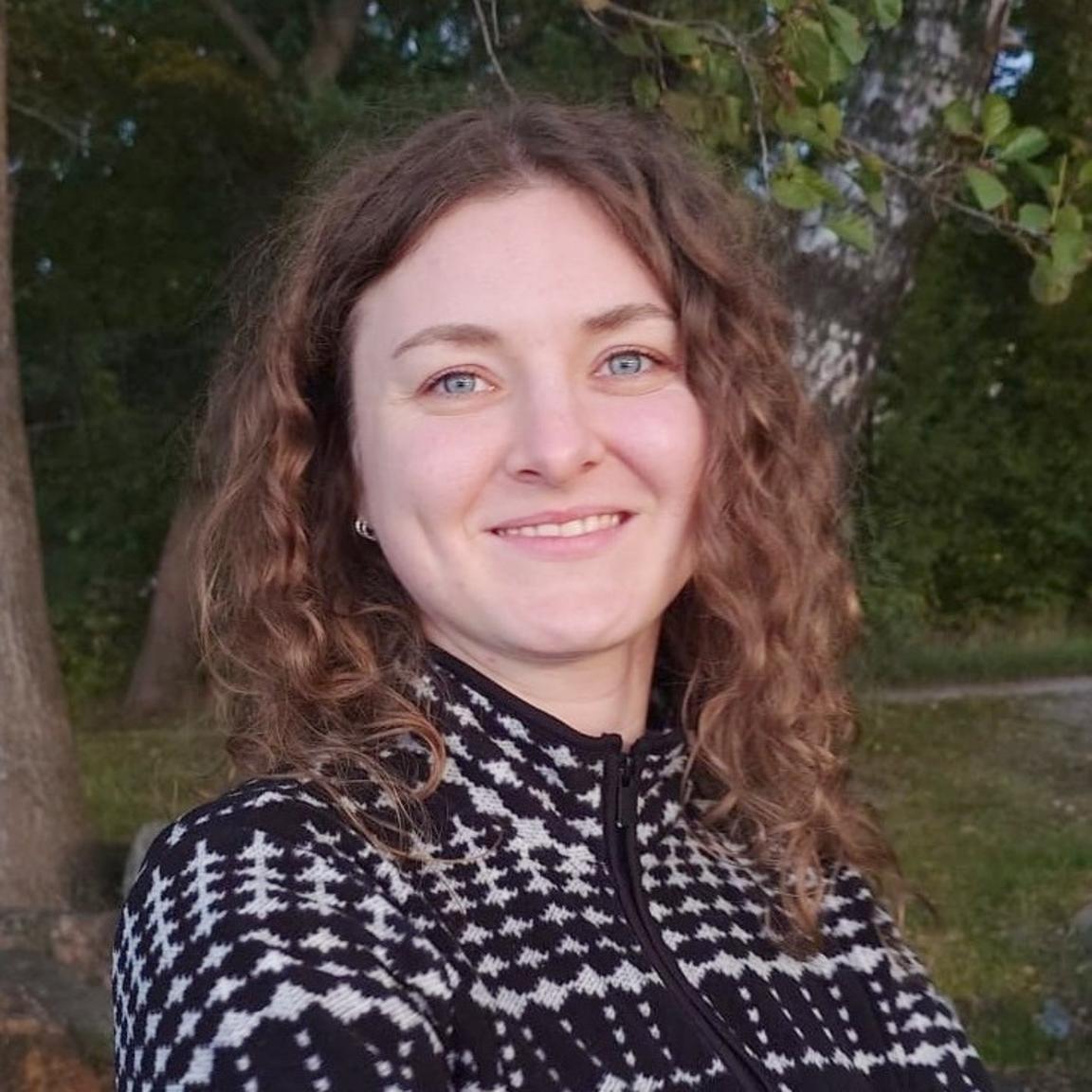
My name is Irene Elisa Bellagente, but Irene is enough. I come from Pavia, Italy. I am a PhD Student at Department of Environmental Sciences at Stockholm University. I study atmospheric physics, specifically aerosol-cloud interactions. The name of my thesis is “Towards reducing uncertainty of Aerosol-Cloud Interactions in Large Eddy Simulations”.
What is the aim of your research?
I want to improve our understanding of aerosol-cloud interactions and their representation in high resolution models. Aerosol are solid- or liquid-phase particles suspended in the air that are essential for cloud formation. We want to assess the performance of high-resolution models against observations across diverse atmospheric conditions. We will also carry out sensitivity tests to expand our knowledge on drivers of uncertainty and analyze the impact of both aerosol and cloud microphysical processes in representing aerosol-cloud interactions. The ultimate goal is to contribute to the development of climate models for reliable future projections under scenarios of changing aerosols emissions.
What research methods do you use?
There’s a need to bridge our understanding of small-scale atmospheric processes, such as aerosol-cloud interactions, to global scale models. Large Eddy Simulations, high resolution models, are useful tools to fulfill this need. Nonetheless, the performance of these models needs to be evaluated by using observations. Therefore, we are also evaluating the performance of Large Eddy Simulations using the data collected during the Arctic expedition ARTofMELT 2023.
What can your research help us understand?
The representation of aerosol-cloud interactions in climate models still causes one of the biggest uncertainties in future climate projections, especially in pristine environments. Applications of our findings include reducing uncertainty and enhancing the reliability of future projections under changing aerosol emissions. Climate change is a threat to society as a whole and simulations of future climate scenarios provide useful information for mitigation and adaptation strategies.
Why is polar research interesting to you?
From a scientific perspective, the Arctic is extremely interesting to investigate and understand because of its challenging nature. On a personal level, the Arctic has now a special place in my memories. I am currently writing from icebreaker Oden in the high Arctic Ocean: experiencing the Arctic first-hand has been a life changing experience. It is inspiring to be here because every time I step outside I am aware that this view has been seen by so few humans. The landscape is so vast and the air is so crispy, it makes you realise that humans are a small part of this Earth System we are trying to understand. We should study and protect the beautiful planet we live on.
What are your expectations in SEAL?
I am particularly excited for more field work and more experiences in the Arctic. I believe that being able to share a unique experience with colleagues creates invaluable friendships and long-lasting collaborations, fruitful for personal life and science. I also think that first-hand experiences could be extremely inspiring for science communication and outreach, both to the general public but also policy makers. These stories could be used to close the distance between people that take decisions and can’t see their consequences and scientist that have seen and studies the effects of climate change
Keywords
- Aerosol-cloud interactions
- Climate modelling
- Climate change
My name is Shijie Peng, and I come from China. Now I am doing my PhD study in the Department of Earth Science of Uppsala University. My PhD subject is meteorology. Specifically, I focus on the air-sea-ice interactions and atmospheric boundary processes in the Arctic region.
What is the main question you are investigating?
The interactions between air and sea-ice surfaces are complex, especially in case of mixed surface consist of open water and covered ice. I am investigating potential mechanisms that control the interactions, including the impacts of sea ice distribution and thickness. My research intends to develop an improved model to better represent the air-sea-ice interactions.
How do you study this?
The main methods of my research are fieldwork and modelling. The fieldwork is conducted on the research ship crossing the Arctic Ocean. We need to collect the observation data to analyze the physical processes and correct current models. In addition, modelling is also usually used to investigate potential impacts of climate change in the future.
Why is your research important from a scientific and societal perspective?
Under the backdrop of climate change and global warming, the polar region has been undergoing significant changes. The rapidly changing Arctic has caused widespread impacts, such as climate extremes, habitat reduction, and new opportunities in Arctic shipping. My research can help us understand the Arctic climate system and relevant impacts.
What motivates you about working with the polar regions?
The unique environment in the Arctic region interests me most. The Arctic surface is covered by consolidating and drifting sea ice, creating a highly dynamic and challenging environment that is very different from most other regions on Earth. I am fascinated by how sea ice interacts with the ocean and atmosphere, and how these interactions influence the Arctic environment as a whole. At the same time, the rapid changes taking place in the Arctic make it an especially important region for understanding our changing climate.
What are you looking forward to as part of SEAL?
The SEAL program is attractive to me because of its strong interdisciplinary framework and its combination of courses, seminars, and field-based training. I am particularly interested in participating in field schools and gaining hands-on experience in polar environments. Engaging directly with measurements in the field would be beneficial to my current focus on observation studies.

Keywords
- Arctic climate
- Sea ice
- Surface exchange
- Boundary layer process
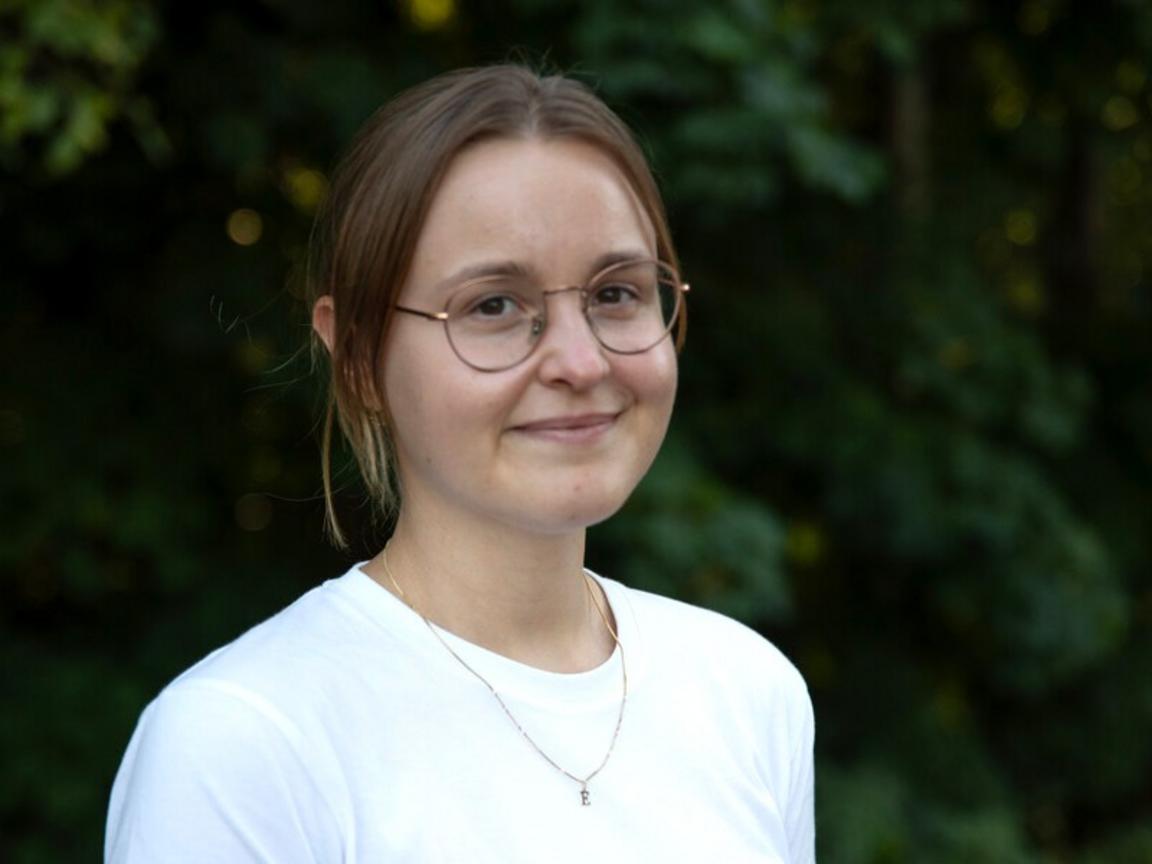
Hi! My name is Julia Iwan. I am originally from Germany but have lived in Sweden for almost ten years. I live in Gothenburg, where I am doing my PhD at the Department of Architecture and Civil Engineering at Chalmers University of Technology. My project focuses on water quality engineering, using spectral information to improve dissolved organic matter detection and characterization
What is your research about?
My research uses in-situ UV-Visible spectrophotometers to understand dissolved organic matter dynamics in natural waters. I am trying to link UV-Visible absorbance and dissolved organic matter, assess the reliability of in-situ sensors, and, on a larger scale, understand biogeochemical cycling in Arctic waters.
What methods do you use?
I combine field campaigns, laboratory studies, and data analysis. In the field, I deploy my sensor in marine or freshwater environments to understand their performance in the “real world”. In the lab, I compare in-situ and laboratory spectrophotometers under different conditions to assess agreement. In short, I collect a lot of high-resolution data that I try to analyze.
Why is this research important?
My project will further our understanding of Carbon and Nitrogen cycling in Arctic waters. Focusing on high-frequency spectral sensors, we will get a better picture of Carbon and Nitrogen dynamics in time and/or through the water column. By extracting Carbon and Nitrogen information from these sensors, we will be able to capture nutrient dynamics affecting all trophic levels in aquatic systems, and oceanographic processes such as water mass mixing, helping us understand these processes in a rapidly changing Arctic.
Why polar research?
I have had the privilege to work at an Arctic research station in Greenland during my studies. I applied for the position without knowing too much about the Arctic but instantly fell in love with this remote environment. Every time I come back, I learn more about Arctic research. Being able to witness this extreme environment and the drastic changes that are happening in the Arctic have reinforced my interest in polar studies.
What are you looking forward to as part of SEAL?
I am excited to get a better overview of polar science from both natural science, engineering and social science perspectives. I am looking forward to meeting the other students and continuing to build network of polar scientists.
Keywords
- Dissolved organic matter
- UV-Visible absorbance
- Biogeochemical cycling
- Sensor technology
- Arctic waters
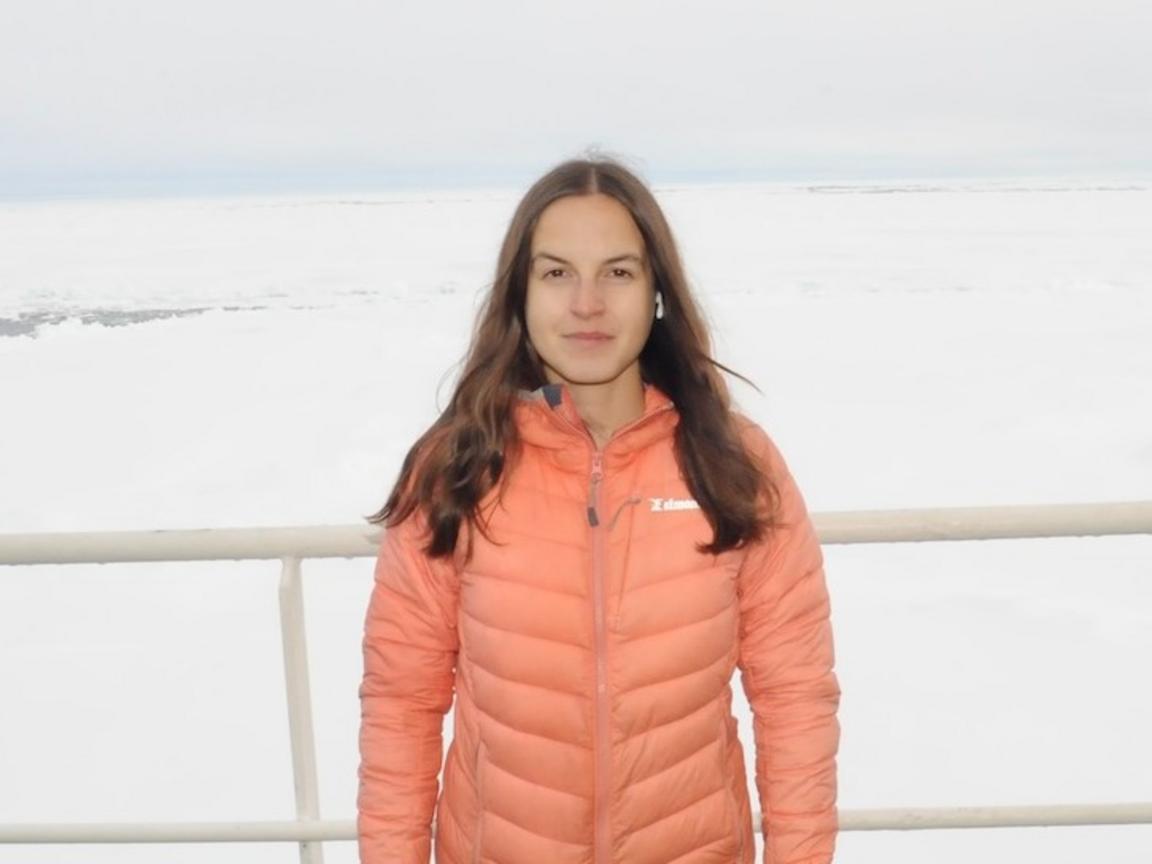
Hej, my name is Moa Sjöberg. I am originally from Mölndal, Sweden and I am a PhD student in Meteorology at Uppsala university, at the Department of Earth Sciences. I work with Sea-Ice-Air interactions.
What are you investigating?
My research is on sub-grid-scale polar processes, in parFcular the sea-ice floe size distribuFon (FSD) and its role in sea ice–atmosphere interacFon. I use machine learning to retrieve floe size from satellite imagery, and I am developing parametrisaFons that take the FSD as an input. The main quesFon I am invesFgaFng is how the FSD controls exchange between sea ice and the atmosphere, and how this can be represented in models that cannot resolve individual floes.
How do you study it?
I combine remote sensing, machine learning and numerical modelling. I retrieve floe size distributions from satellite imagery (both SAR and OpFcal) using machine-learning-based segmentation, and hope to use these retrievals to develop and evaluate parametrisaFons of sea ice–atmosphere interaction. The parametrisations are then suppose to be tested in a sea-ice model.
Why is your research important from a scientific and societal perspective?
The Arctic is changing rapidly and the marginal ice zone, where the ice is broken into floes rather than a continuous cover, is expanding. Models treat sea ice as a uniform surface within each grid cell and so miss the effect of floe size on melt, drag and the exchange of heat and momentum with the atmosphere. Representing this should improve Arctic weather and sea-ice forecasts, which matters as shipping, fisheries and coastal communities depend on them in an increasing.
Why polar research?
Polar research is exiting because its about a remote and more inaccessible area. Lack of data makes it challenging and you have to be creative.
What are you looking forward to being part of SEAL?
I am looking forward to gaining new perspectives on my work, learning new methods, and building a network with other researchers in the field.
Keywords
- Sea-Ice-Air interactions
- Weather/Climate Modeling
- Remote Sensing
- Machine learning
- Statistics
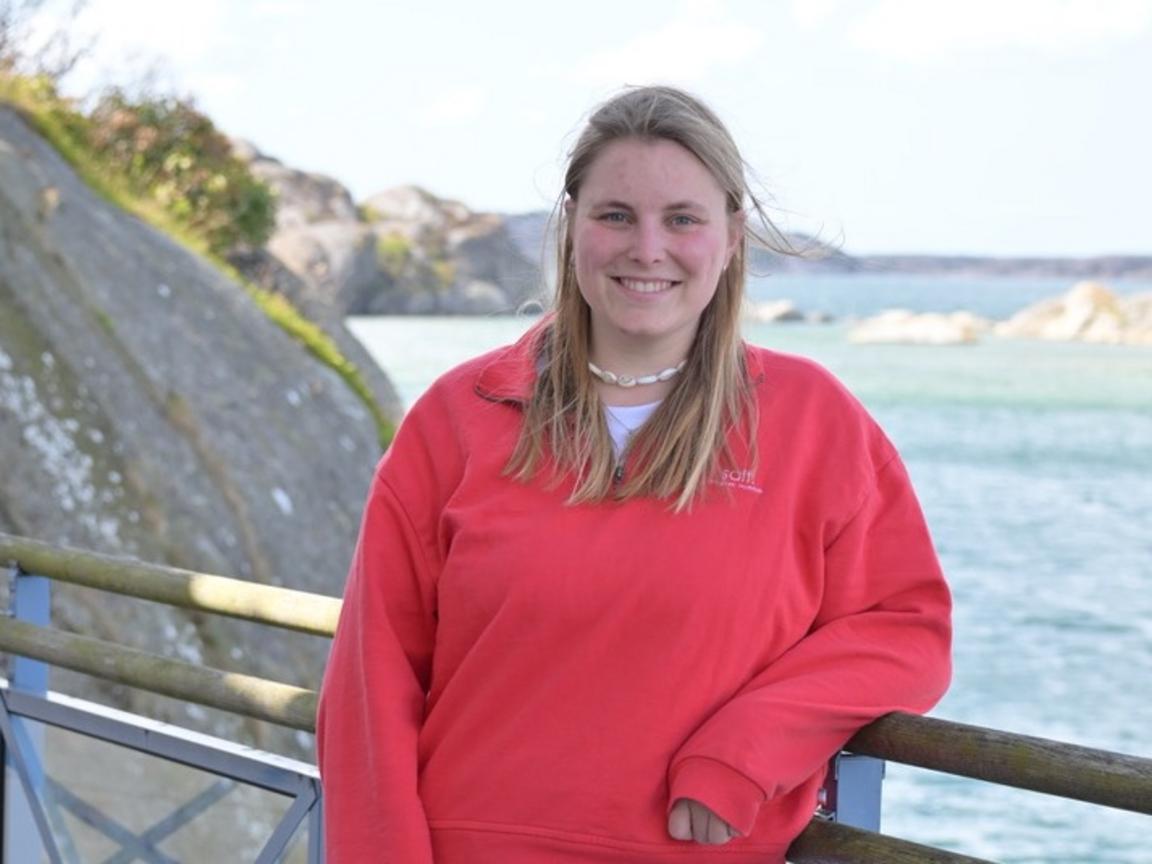
My name is Paula, I am originally from Germany but based in Gothenburg now where I am doing my PhD in physical oceanography at the department for Marine Sciences at Gothenburg University. My PhD research focuses on the impacts of storms on air-sea CO2 and heat fluxes in the Southern Ocean.
What do you study?
The Southern Ocean is a major player in global climate as it takes up large amounts of atmospheric carbon and heat, and it is a region that is dominated by storms. I investigate how those storms govern air-sea fluxes of carbon and heat. I want to find out how storm impacts depend on upper-ocean conditions, what effect extreme storm events have and how storms, sea ice and meltwater interact and influence air-sea fluxes.
How do you study this?
The first part of my PhD is based on a time-series analysis of a multi-year observational dataset from a mooring South of Australia that combines atmospheric measurements from a surface buoy with subsurface data from multiple instruments installed at different depths. Later, I will use a variety of observational datasets obtained during a research cruise to the Weddell Sea, including ship-based data and data from autonomous platforms. Further down the line, I want to upscale my findings by including modelling and/or machine learning products into my research.
Why does your research matter?
Due to its remoteness and harsh conditions, the Southern Ocean remains chronically under sampled and poorly understood. Yet, it is of a great importance in mitigating global climate and anthropogenic climate change as it takes up large amounts of atmospheric heat and carbon. With my research, I aim to improve our understanding of how storms govern these uptakes. This improved understanding will help us to find better parameterisations for atmosphere-ocean processes that can be implemented in climate models and make predictions for future climate more accurate.
What motivates you to study the polar regions?
I’m fascinated by the remoteness and the harsh conditions of the polar regions, and the cryosphere which adds another very interesting layer for interactions between the ocean and atmosphere. Also, I find it highly motivating that there are still so many things to observe and so many questions to answer and that these answers are so crucial to find as the polar regions play such an important role in global climate!
What are you looking forward to as part of SEAL?
I’m looking forward to broadening my horizon by learning about more interdisciplinary aspects in polar research and gaining knowledge and skills that are overall applicable to polar regions and will help me grow as a scientist. Also, I’m very excited about being part of a newly forming network of PhD students across Sweden with many different backgrounds and perspectives. It will be super interesting to see everyone’s progress over the next couple of years and how our different topics and findings will complement each other. I think that we already are a fantastic group and I’m looking forward to sharing great moments and experiences through SEAL!
Keywords
- Southern Ocean
- Air-sea fluxes
- Storms
- Carbon
- Heat