
Chemotherapy also damages healthy cells in children
Chemotherapy, which saves the lives of many children with cancer, causes previously unknown DNA alterations in the liver and leaves genetic footprints in other healthy cells as well. These findings could potentially explain the higher risk of health problems later in life.
Chemotherapy damages the DNA of cancer cells, leading to cell death. However, its effect on the healthy cells that survive treatment have long been difficult to study.
Previous methods lacked the sensitivity needed to detect DNA changes in individual cells. Researchers have therefore also had limited ability to investigate whether these changes contribute to the health problems that many childhood cancer survivors develop later in life.
In the current study, published in the journal Science, a new and ultrasensitive DNA sequencing technique (NanoSeq) was used to map genetic changes in healthy tissues from children who had undergone chemotherapy.
Cells age prematurely
The first author is Anna Wenger, a researcher at Sahlgrenska Center for Cancer Research, University of Gothenburg, who is also affiliated with the Wellcome Sanger Institute in Cambridge, England.
"Chemotherapy causes healthy cells in children to age genetically. In a relatively short period of time, it caused the same amount of DNA damage that would normally accumulate over decades and be seen in middle-aged adults. We also discovered a previously unknown pattern of DNA damage in the liver. Together, these findings provide a plausible biological explanation for why childhood cancer survivors face an increased risk of health issues later in life, including new cancers and liver disease she says.
The researchers analyzed 186 samples of blood, liver tumors, and healthy liver tissue from nine children treated with platinum-based chemotherapy – a major class of effective cancer drugs. In addition, 30 samples were included from two children with liver cancer who had received non-platinum-based treatment.
Furthermore, 47 samples were examined from children with cancers other than liver cancer. These children had received either platinum-based chemotherapy or non-platinum treatment. The study also included samples from children who had undergone no treatment at all.
Future protection for children
The analyses revealed a significantly higher number of DNA alterations in healthy cells from several different tissue types following platinum-based chemotherapy. Some of these alterations are considered cancer-driving, which mayincrease the risk that these cells will develope into cancer, although only a small proportion of children go on to develop a secondary cancer.
The newly discovered pattern of DNA damage in the liver was not found in any other tissue and appeared to be caused by platinum-based chemotherapy drugs. Researchers believe the damage arises during the breakdown of the chemotherapy, a process that occurs in the liver, and that this may contribute to future liver disease.
Furthermore, the finding that this pattern of DNA damage was seen only found in the liver demonstrates that the same platinum-based chemotherapy drugs can give rise to different types of DNA alterations in different tissues, challenging previous assumptions in the field.
The study’s mapping of DNA damage in healthy cells following chemotherapy provides an important foundation for further research into ways of protecting children who require chemotherapy treatment. Platinum-based chemotherapy is a cornerstone of care for many childhood cancers, and because equally effective alternatives are lacking, it is particularly important to understand the genetic changes these treatments induce in healthy cells.
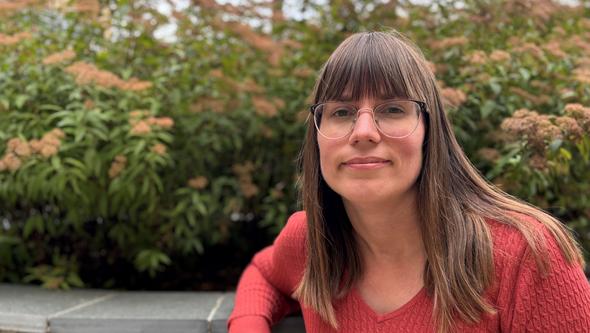
"Chemotherapy is crucial for curing children with cancer. By better understanding how treatment affects healthy tissues, we hope to develop new ways to protect the body against this DNA damage, reduce the risk of late side effects, and make future cancer treatments even safer," concludes Anna Wenger.
Study: Extensive and differential platinum chemotherapy mutagenesis in livers of children


