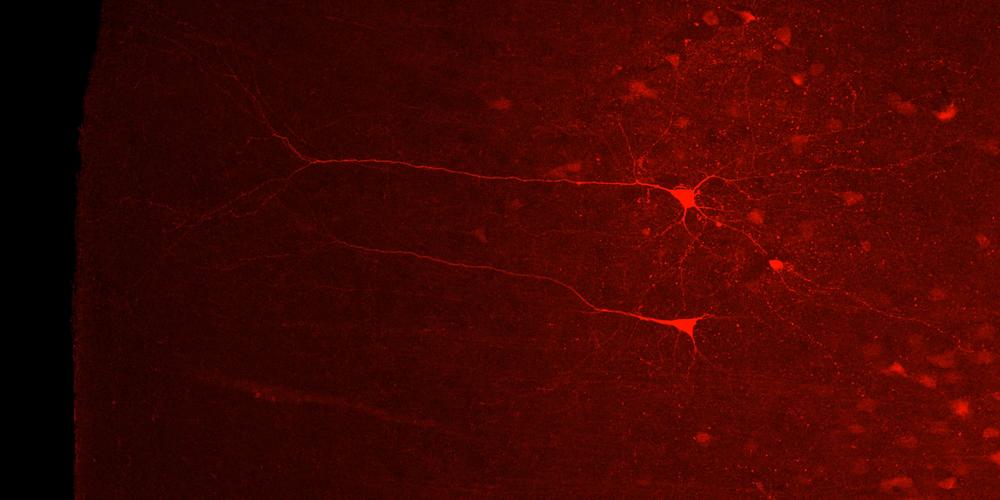
Davide Cadeddu – Neurophysiological signatures of alcohol use disorder-like behavior in male rats
Dissertation for Medicine Doctoral degree at Sahlgrenska Academy, Institute of Neuroscience and Physiology, Department of Pharmacology
Opponent and examining committee
Opponent: Professor Gilad Silberberg, Department of Neuroscience, Karolinska Institutet, Stockholm
Examining committee: Professor Eric Hanse (chair), Professor Mathias Hallberg (UU) and Professor Anna Gordh
Good to know
The disputation is held in English
Welcome to attend online via streaming, via Zoom Webinar: click pink button above to join
Chairperson of the disputation: Professor Michael Winder
Why do some individuals develop alcohol addiction?
A rat study on brain mechanisms and the role of nicotine
Alcohol use disorder (AUD) is a chronic condition in which people lose control over their drinking, despite negative consequences. Although alcohol use is common, only some individuals progress from recreational drinking to compulsive use and develop AUD.
Nicotine use, for example through smoking or snus, is common among people who drink alcohol and has been linked to heavier drinking and an increased risk of developing AUD. Studies in rats have also shown that repeated nicotine exposure can increase alcohol intake, but the underlying brain mechanisms are still not fully understood.
The overall aim of this thesis was to investigate how brain function is related to vulnerability to AUD and how nicotine influences alcohol-related behaviours in male rats. The results showed that only a subset of the rats developed AUD-like behaviours and that this was associated with changes in brain regions involved in decision-making and emotional processing medial prefrontal cortex and the basolateral amygdala. Nicotine also increased alcohol intake and made rats less resilient to developing AUD-like behaviours.
These findings contribute to a better understanding of the neurobiological mechanisms underlying AUD and may ultimately support the development of more targeted pharmacological treatments.