Marine sciences is an interdisciplinary subject, and our research is conducted at the intersection of biology, geology, chemistry and oceanography. Our research is also carried out as part of larger interdisciplinary projects, both national and international. We have three ERC Synergy Grants, one ERC Starting Grant and one Wallenberg Scholar.
Marine Biology
In marine biology we study living things in the oceans and other saltwater environments such as estuaries, wetlands and shores. We study patterns and processes, as well as the interactions between organisms and their chemical signals. We take a keen interest in biological evolution in the ocean.
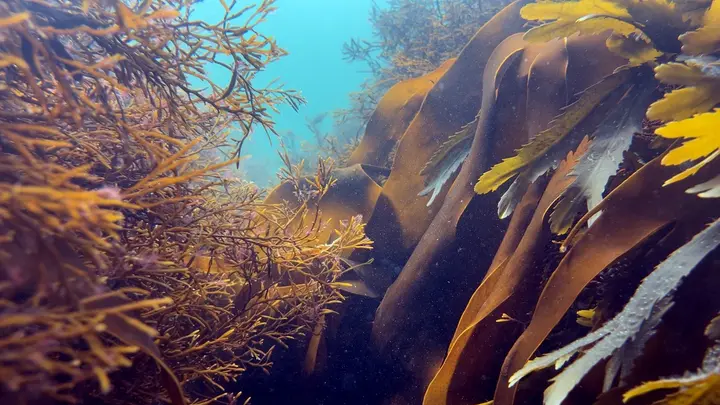
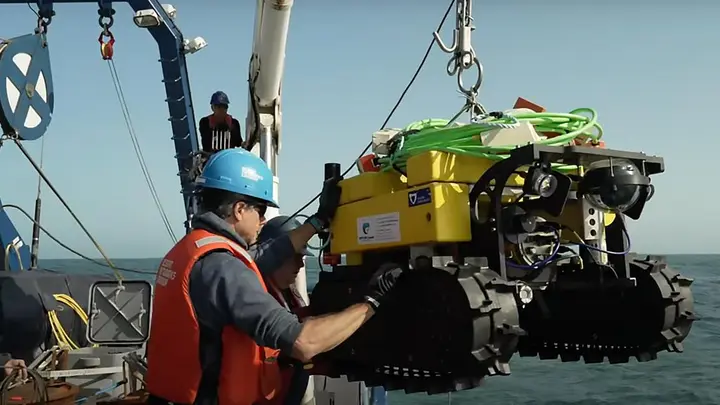
The project COOL BLUE (Community Ocean Farms and Local Business Clusters) is a collaborative project to develop the concept of marine allotments in Sweden, Denmark and Finland. PI is Maria Bodin.The Kelp-IT project will use autonomous underwater vehicles to map kelp forests and their habitats. The PI is Professor Lars Gamfeldt.
Marine Chemistry
In marine chemistry, we study the properties, composition, and structure of elements, ions, and compounds in the ocean. We also study solid forms of marine pollution, such as micro-plastics.
Alkalinity generation in eelgrasses – An overlooked carbon sequestration mechanism?
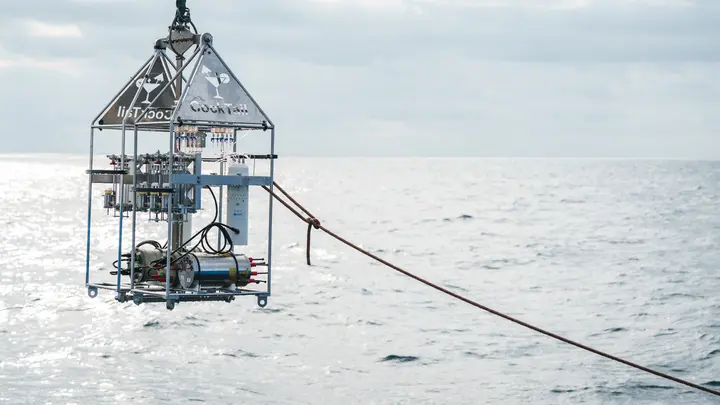
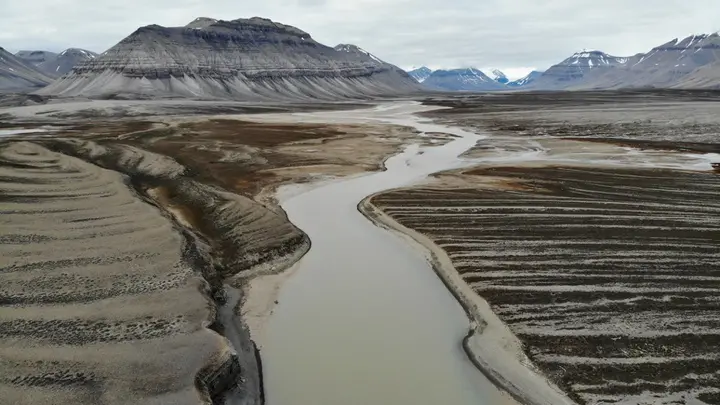
The RECLESS project investigates oxygen-depleted marine areas. The researchers are using a game-changing measuring instrument to do in-situ investigations in the sea.The project Melting Boundaries – Revealing Greenhouse Gas Emissions from Emerging Arctic Landscapes will do measurements in Svalbard regarding emissions of the three key greenhouse gases: carbon dioxide, methane, and nitrous oxide.
Marine Geology
We study the sediments on the ocean floor. We examine the results of the physical, chemical, and biological processes that have formed the sediments, how and where they were deposited, what they contain, and what processes affect their characteristics after the deposition.
FAME: Fjord Alien Microeukaryotes - New Drivers of Ecosystem Functioning?
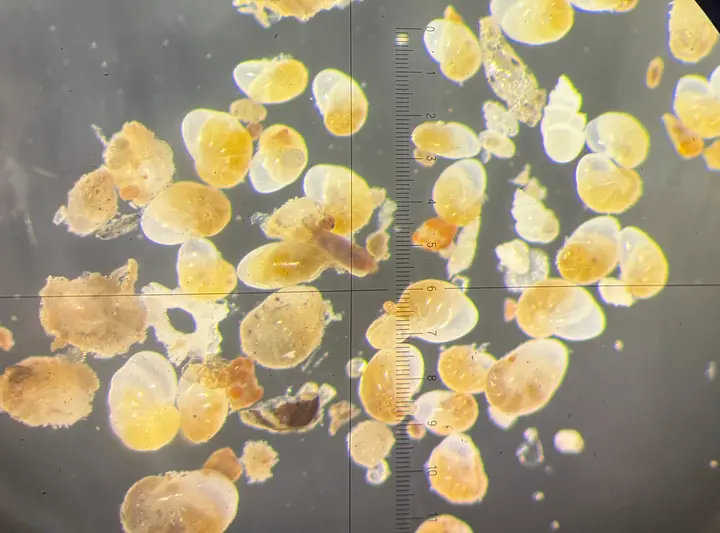
The project FAME is about the spread of microscopic alien species. The foraminifera of the species Nonionella sp. T1 is model organism.The project REDRESS will map degraded deep-sea habitats and identify habitat refugia to prioritize restoration efforts that will adapt to future scenarios of climate change.
Oceanography
Oceanography describes the physical state of the ocean. This includes the study of physical processes controlling the motion and properties of ocean waters and how these vary across different time and spatial scales – from the smallest turbulent eddies to the circulation of the world’s oceans.
We take a keen interest in the polar regions and the ocean’s impact on the atmosphere and climate.
Improving harmful algal bloom predictions in the Middle East – submesoscale physics disrupt food and water security
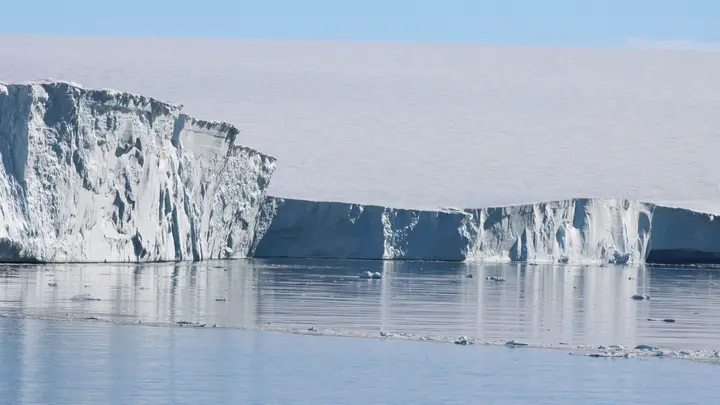
The SOFIA project aims to investigate how air-sea interactions impact ocean heat uptake in the region. PI is Marcel du Plessis.The OCEAN:ICE project aims to improve predictions of how changes in the Antarctic and Greenland ice sheets affect the global climate. PI is Professor Anna Wåhlin.