International Research Team Explores Heritage, Nature and Climate Resilience
How can cultural and nature heritage help societies adapt to climate change? From 23 to 25 September, the Centre for Critical Heritage Studies (CCHS) at the University of Gothenburg brings together researchers from across Europe to explore the links between heritage, nature and climate resilience.
Researchers from Italy, Spain, Slovakia and Norway, as well as Mid Sweden University in Östersund, meet in Gothenburg for three days of interdisciplinary exchange and discussion.
The meeting, “Climate Resilience of Living Biocultural Heritage Systems”, focuses on how interactions between people, culture and nature can contribute to sustainable responses to climate change. The concept of biocultural heritage highlights the close interconnections between biological and cultural diversity, recognising local knowledge, traditions and landscapes as important resources for building resilient and sustainable societies.
The visiting researchers represent a broad range of disciplines, including heritage studies, social anthropology, agricultural economics, law and human geography. Bringing these perspectives together offers opportunities to explore how living cultural and natural heritage can contribute to climate adaptation, biodiversity and social sustainability.
“For CCHS, the meeting is also part of our long-term commitment to developing international research collaboration. Exchanging knowledge and perspectives strengthens networks between researchers and universities, while creating opportunities for new ideas and future collaborations,” says Annelie Sjölander-Lindqvist, Director of CCHS and host of the research visit.
During the meeting, participants will discuss current research and explore opportunities for joint initiatives on heritage, nature and climate resilience. A central aim is to advance understanding of how interdisciplinary research can help address some of today’s most pressing societal challenges.
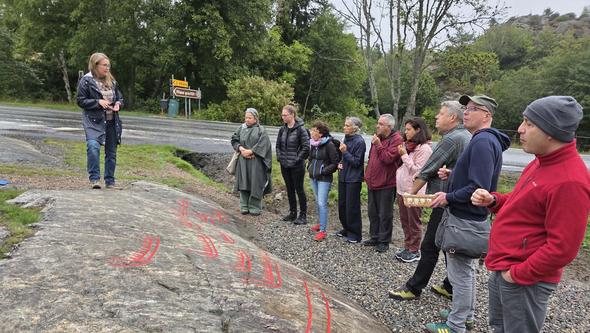
Exploring biocultural heritage on Tjörn
The programme also includes an excursion to Pilane and Sundsby Manor on the island of Tjörn, providing an opportunity to explore living cultural and natural heritage in its local context.
At Sundsby, participants will examine the relationships between landscape, biodiversity and historic land-use practices. Centuries of farming, grazing and land management have shaped the landscape through the knowledge and practices of generations of people.
“The visit connects directly with the theme of the research network. It allows us to explore how local knowledge, traditions and landscapes can contribute to resilience and play an important role in shaping sustainable societies for the future,” says Annelie Sjölander-Lindqvist.
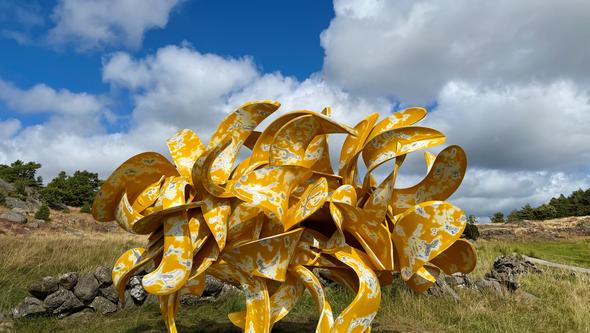
At Pilane, nature, culture, contemporary art, archaeology and heritage come together in a landscape shaped by both human activity and natural processes.