VALENTINA BUCHER
Dissertation defense: 5 June 2026 (click for details)
Doctoral thesis: Prediction and identification of cerebral complications in preeclampsia: A translational journey from mothers to rats
Research area: Obstetrics and Gynecology
Sahlgrenska Academy, The Institute of Clinical Sciences
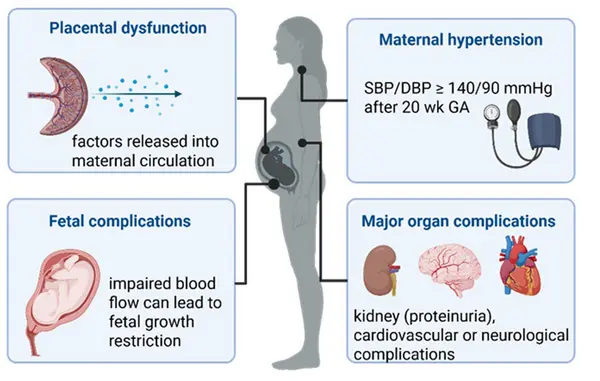
Preeclampsia, also called toxemia of pregnancy, is a pregnancy complication characterized by high blood pressure and signs that other organs are affected.
In severe cases, women can develop neurological complications including seizures, known as eclampsia, which can be life-threatening. These complications are most common in low-income countries where access to antenatal care is limited.
“Currently, the only treatment is birth of the baby and removal of the placenta, but newer research suggests that the consequences may not end there,” says Valentina Bucher, PhD student at the Department of Obstetrics and Gynecology, Institute of Clinical Sciences.
Previous studies indicate that women who have had preeclampsia may face an increased risk of neurological problems later in life.
Looking for warning signs
One aim of the thesis was to identify tests that could help predict serious complications in women with preeclampsia.
“This could make it possible to provide better and more timely care, especially in settings with limited resources.”
The first study reviewed existing research on tests for predicting complications in hypertensive disorders of pregnancy. Large differences between studies made the results difficult to compare, highlighting the need for more standardized research.
Signs of brain injury and inflammation
The other studies in Valentina Bucher’s thesis examined how preeclampsia affects the brain.
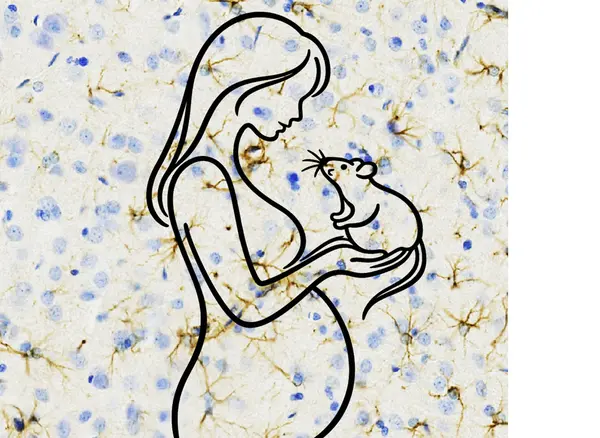
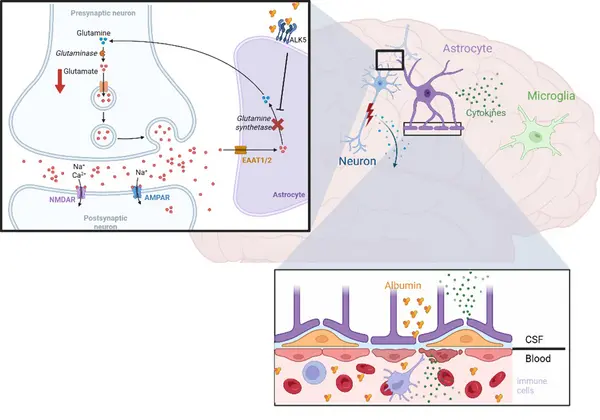
The researchers found signs of blood–brain barrier injury and brain inflammation both in women with preeclampsia and eclampsia as well as in a rat model of the disease.
In the animal model, the studies also found signs that astrocytes – support cells important for communication in the brain – were not functioning normally.
“This may disturb signal transmission in the brain and could be one explanation for why seizures occur.”
Connecting research and patient care
What have been the most rewarding and challenging parts of your doctoral project?
“I enjoy working closely both with clinicians and in a preclinical lab. The dialogue between these two worlds helps us see our research from a broader perspective and keeps the focus on what truly matters most for patients,” says Valentina Bucher, continuing:
“It has also been rewarding to do research involving women directly affected by complications such as eclampsia, as in our South African cohort, because it connects the science to real experiences and real needs.”
Text: Jakob Lundberg