Recent news articles
Developing the Mothbox automated light trap
A Mountain Expedition in Panama to Test New Insect Monitoring Technology
In the press
Rhys Lemon. Dr. Rhys Lemoine, Megafauna Rewildlife Scientist. The Weekly Anthropocene
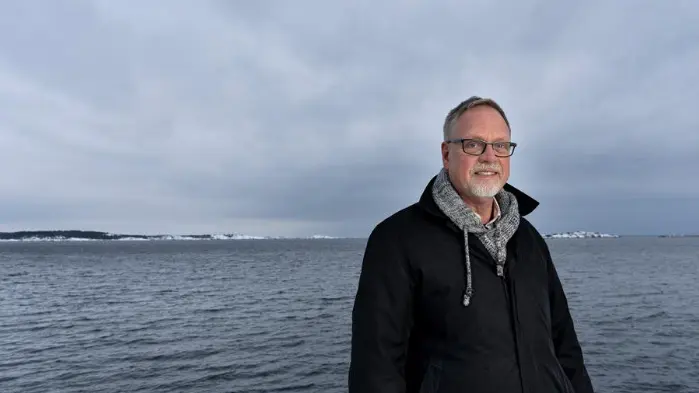
Henrik Sjöman. Thinking in Tree Time. Royal Botanic Gardens Kew
Rhys Lemon. Overkill! The ongoing end of the megafauna with Dr Rhys Lemoine. The History of Being Human
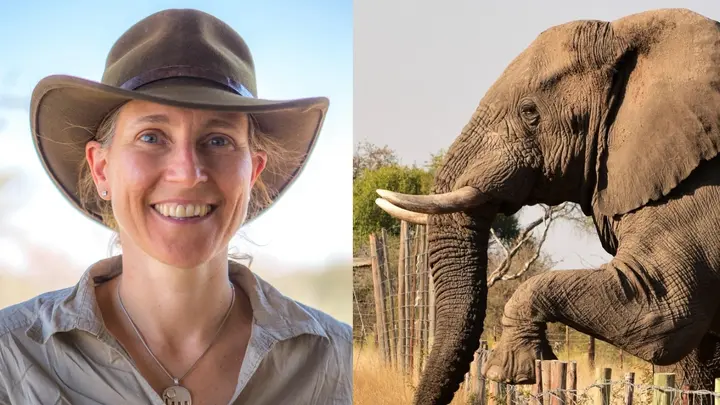
Kate Evans. Kate uppfyller ett livslångt löfte till världens elefanter. Vetenskapsradion, Sverige Radio. A mix of English & Swedish
Botanists identify 33 global 'dark spots' with thousands of unknown plants
1st October 2024
Alexandre Antonellii is interviewed by the Guardian newspaper on Kew Gardens study that has revealed thousands of undiscovered plant species in 33 dark sports in this article.
Research is a wonderful way to spend your life
30th September 2024
In this interview, plant ecologist Anne Bjorkman discusses her work investigating the effects of climate change on Arctic plants and ecosystems. She explains how fieldwork renews her perspective and is crucial for observing changes in nature. Her research aims to understand how plants adapt to climate change and how this affects larger ecosystems. Bjorkman also shares personal insights about her childhood, love of nature, and the challenges of balancing family life and research.
Many plant names are offensive: botanists will vote on whether to change them
16th July 2024
Alexandre Antonelli is interviewed as the International Botanical Congress got underway in Madrid to decide whether to rename dozens of plant species with scientific names containing racial slurs or honouring colonial figures. This marked the first official effort by taxonomists to address offensive species names. Supporters said the move aligns with broader societal efforts to confront historical injustices, while critics worry about potential confusion in scientific literature. The outcome of this vote could reshape botanical naming conventions for years to come.
Light pooling
June 2024
Tour operators are using bright lights to attract marine wildlife, ensuring close encounters with majestic species like whale sharks and manta rays. In this article Daire Carroll & Jessica Harvey-Carroll discuss this practice, known as ‘light pooling,’ and how it is outpacing both regulation and scientific research. As concerns grow about its potential impact on marine ecosystems, it’s crucial to assess the risks and take action to protect these species before lasting harm is done.
Managing wildlife in a changing environment: the case of the Baltic grey seal
27th March 2024
In this article Daire Carroll explored 120 years of ecological data, revealing how environmental degradation increases the risk of overhunting for the Baltic grey seal. Once nearly wiped out by hunting and pollution, this key predator has rebounded—but climate change and industrial fishing continue to reshape its future. What will happen under different hunting and climate scenarios?
The harbor seal population is declining - due to fish scarcity
9th February 2024
Karin Harding and Daire Carroll are interviewed about their work in the Baltic where historically harbor seals have been extensively hunted, but they have been protected for the last 50 to help the population recover, however hunting opened once more 2 years ago following demands from the fishing industry. Here they discuss this controversial topic.
Great unknowns: nine top scientists on the one mystery on Earth they’d like to solve
26th December 2023
Read the mystery Alexandre Antonelli would like to solve. in this Guardian article.
Skogen är Sveriges guld i klimatomställningen – men räcker den till?
20th December 2023
Den svenska skogen ska räcka till mycket, och kanske ännu mer i framtiden: mer virke, mer biobränsle, mer förnybara produkter som ska ersätta plast. Samtidigt ska skogen bidra med kolsänka, rymma hög biologisk mångfald och vara en plats för rekreation. Hur ska ekvationen gå ihop, är det ens möjligt? Forskare vid IVL utvecklar verktyg som kan ge en bättre helhetsbild av hållbarheten i svenskt skogsbruk och vilka avvägningar som behöver göras.....
Nya knaggrockeungar födda på Havets Hus
2nd November 2023
Sedan några år tillbaka arbetar Havets Hus med ett bevarandeprojekt för knaggrockor tillsammans med Världsnaturfonden WWF. Besökare i akvariet i somras fick vara med när många ägg togs om hand och nu börjar de kläckas. Förra veckan föddes den första och hittills har vi fått tio ungar men fler är på gång. Om några år kommer de att sättas ut i Gullmarsfjorden
Det har aldrig funnits en bättre och viktigare tid att plantera ett träd än nu
13th okotober 2023
Den nya boken ” The Essential Tree Selection Guide” av Göteborgs botaniskas intendent Henrik Sjöman och den engelska trädgårdsdesignern Arit Anderson lovordas runt om i Storbritannien. Skådespelerskan och trädälskaren Judi Dench säger bl.a. att boken kommer att vara en viktig hjälp för alla att välja rätt träd för sin trädgård.
Marinbiologen om valrossen på Smögen: ”Gå inte för nära”
11 March 2022
Under fredagen fick Smögen ett oväntat besök från Arktis – en valross. Kennet Lundin som är docent i marinbiologi vid Göteborgs naturhistoriska museum uppmanar personer att inte gå för nära djuret.
– Jag hoppas att folk inte går för nära för att ta selfies utan att de håller lite avstånd, säger han........
Här dyker valrossen upp – på Smögen: ”Mycket ovanligt”
11 March 2022
En valross på en brygga mitt i Bohuslän. Ja, det hör inte till vanligheterna. Men på en brygga för vattenskotrar på Smögen har en valross hållit till i veckan.
– Han ligger där och solar sig och har det bra, sa Gösta Karlsson, som bor på Smögen, när SVT var på plats på fredagen.
På lördagsmorgonen hade valrossen dock simmat vidare.......
Ovanliga upptäckten: Sköldpadda uppspolad på Smögen
6th January 2022
Marinbiologen Kennet Lundin från Göteborgs naturhistoriska museum har analyserat bilder av den upphittade en sköldpadda hittades på Bohuslän och bedömer att det troligen rör sig om en grön havssköldpadda (Chelonia mydas), även kallad soppsköldpadda. Han påpekar att den skiljer sig från karettsköldpaddan genom att sakna överlappande sköldar. Om artbestämningen stämmer, är detta en unik observation, då arten aldrig tidigare setts i svenska vatten. Enligt uppgifter till Lundin har sköldpaddans sköld mätts till 60 centimeter, även om arten kan bli upp till en och en halv meter stor.
What Happened to South America’s Missing Mega-Mammals?
Oct 9, 2020
The New York Times picked up on GGBC'er Juan Carillo's research on the Great American Interchange and why the majority of mammal immigrants go south, rather than the other way around?
Read the newsfeature in New York Times here
Bland fladdermöss och myrkottar
Oct 4, 2020
Listen to Magnus Gelang from the Gothenburg Natural History Museum as he talks with other scientists about how a threatened biodiversity connects to pandemics in this paneldiscussion during the International Sciencefestival in Gothenburg.
See the conversation on the swedish educational radio's website here
GGBC'ers involved in rescue operation for stranded basking shark
Sep 28, 2020
Two local marine biologists, and GGBC members, were on hand to guide the rescue efforts when a basking shark found itself stuck in teh shallow waters of the west coast of Sweden. See GGBC Steering Board member Björn Källström from Sjöfartsmuseet Akvariet - Göteborg speak about the effort in an interview with SVT. Lars Gamfeldt from the Dept of Marine Sciences, GU was on site as well and could give some information about the large shark in a feature on TV4.
Debunking long-lasting myths about bats
Sep 17, 2020
Magnus Gelang from the Gothenburg Natural History Museum visited the popular radioshow P4 i Göteborg to talk about bats and some common myths around these creatures of the night.
Listen to the inteview in Swedish at P4 here
Mammal Extinction is caused by humans - not the climate
Sep 5, 2020
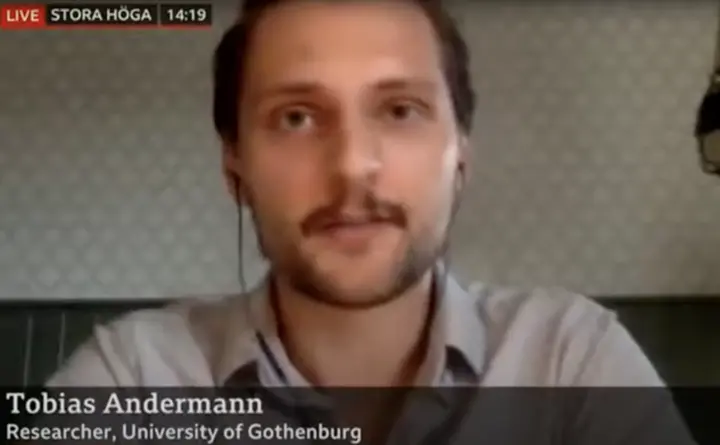
Tobias Andermann at the Dept. of Biological and Environmental sciences, GU lead the work behind a new scientific study in Science Advances that recieved a lot of medial attention both nationally and internationally. The study shows the alarming rate to which humans are causing mammalextinctions recieved a lot of medial attention with no less than a newsfeature in the local newspaper Göteborgsposten and two interviews with TRT World and BBC World.
Read the newsfeature in Göteborgsposten here
See the interview with TRT World here
See the interview in BBC world here
Heathlands a landscape created by man in need of management
Aug 26, 2020
Mattias Lindholm, one of Sweden's few reserachers on heathlands is interviewed as part of the popular Swedish radio show Naturmorgon. Listen to Mattias talk about one of Europe's most threatened habitats and their need for continued management.
Listen to the interview here
Ocean Blues on the radio
Aug 17, 2020
What can today's youth and future leaders do to turn their eco-anxiety into eco-action? That is the big question that Ocean Blues addresses and that is discussed in this radio interview with Malin Rosengren from the Centre for Sea and Society, and project leader for Ocean Blues. Listen to Amlin talk about how this project is inspiring students to take control, and even design their own actionable path forward.
Listen to the interview on Swedish Radio P4 (In Swedish)
What would happen to Earth if humans went extinct?
Aug 16, 2020
GGBC'er Søren Faurby was interviewed about the effects of humans on wildlife and biodiversity in this longer piece in LiveScience about what would happen if humans went extinct.
Read the feature in LiveScience here
One sentence in a book leads researchers to a species not seen in over 100 years
27th October 2021
There are many species that the IUCN has categorised as “Data deficient.” The montane skink is one of them, having not been spotted in Lumbo, Mozambique in over 100 years. But some detective work through the Extinct or Shy project, led by Harith Farooq, has led to the first scientific record of this species in a century! Harith and Allison Perrigo wrote a short piece in The Conversation about the find.
Ecocide must be listed alongside genocide as an international crime
22nd June 2021
Alexandre Antonelli and Pella Thiel propose for ecocide to be recognised as an international crime alongside crimes against humanity, war crimes and genocide, in this article in the Guardian.
Preserve a Voucher Specimen! The Critical Need for Integrating Natural History Collections in Infectious Disease Studies
16th January 2021
Magnus Gelang from Gothenburg Museum of Natural History is part of the CETAF-DiSSCo COVID-19 Task Force consisting of 15 biologists. The team urges researchers who conduct host-pathogen studies to adopt vouchering practices and to collaborate with natural history museums to permanently archive host specimens. This would lead to increased preparedness for novel viral zoonoses, such as the COVID-19 pandemic. The publication was highlighted by Washington Post and EurekAlert!